Snake Plant Dracaena trifasciata
Why Are My Snake Plant Leaves Curling: Causes and Solutions
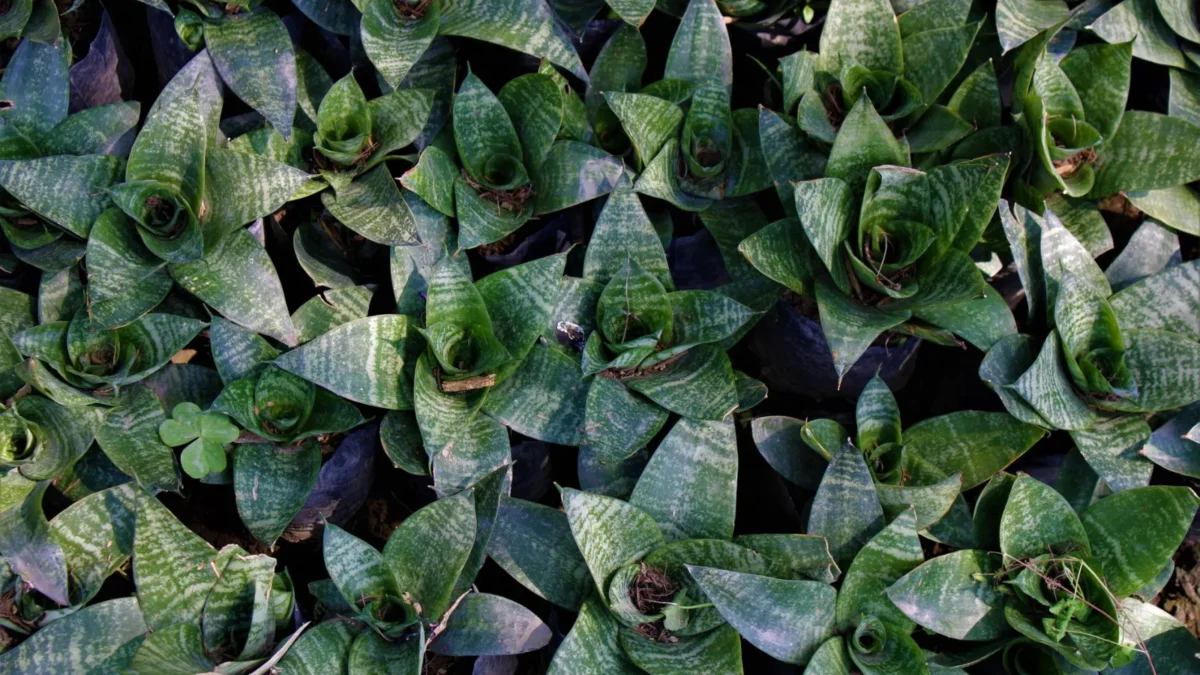
Quick answer: Snake plant leaves curl most often from underwatering—the #1 cause—followed by overwatering, low humidity, excess direct sunlight, temperature stress, and pests. The most common reason is depletion of water reserves in the leaves, which collapse inward along their center, creating a wavy fold.
| Botanical name | Dracaena trifasciata |
|---|---|
| Light | Moderate to bright indirect light; tolerates low light; 2-6 hours direct sun |
| Watering | Water when soil is 100% dry; every 2-4 weeks spring/summer, 6-8 weeks winter |
| Humidity | Average room humidity is ideal; no misting needed |
| Temperature | Thrives 70-90°F (21-32°C); tolerates around 50°F |
| Soil | Well-draining potting mix; potting soil, perlite, and sand mixture |
| Feeding | Once every two months during summer/growing periods; 2-3 times yearly |
| Difficulty | easy |
| Cats | ⚠️ toxic — Saponins cause nausea, vomiting, diarrhea in cats |
| Dogs | ⚠️ toxic — Saponins cause nausea, vomiting, diarrhea in cats |
| What you see | Likely cause | What to do |
|---|---|---|
| Curled, dry-feeling leaves | Underwatering | Water when soil is 100% dry; in spring/summer, every 2–4 weeks; in winter, every 6–8 weeks. |
| Curled leaves + yellowing at base + soft texture | Overwatering/root rot | Check roots for dark, mushy tissue. Repot in fresh, well-draining mix and reduce watering frequency. |
| Curled leaves + pale or lightened appearance | Too much direct sun | Move a few feet away from south-facing windows or use sheer curtains. Aim for 2–6 hours of direct sun. |
| Curled leaves in winter or dry indoor air | Low humidity | Use a humidifier to raise humidity to 35–45%, or ensure the plant is well-watered during dry months. |
| Curled leaves near heating vents or cold drafts | Temperature stress | Move away from baseboard heaters, heating vents, and drafts. Maintain temperatures between 70–90°F (21–32°C). |
Underwatering: The Most Common Cause
Underwatering is the #1 reason why your snake plant leaves curl. When the soil dries out completely between waterings, the leaves lose their water reserves and collapse inward as a defense mechanism.
To fix this, water thoroughly when the potting soil is 100% dry from top to bottom. In spring and summer during active growth, that typically means every 2 to 4 weeks. In winter, extend the interval to every 6 to 8 weeks. Water the soil until it drains from the bottom holes—the key is waiting until the soil is completely dry before watering again.
Overwatering and Root Damage
Overwatering causes a different kind of curling: leaves curl inward as the roots decay and can no longer move water and nutrients to the leaves, even though the soil stays wet. You’ll notice yellowing starting at the leaf base and progressing upward, and the leaves will feel soft or mushy rather than firm and rigid.
To confirm root rot, remove the plant from its pot and inspect the roots. Healthy roots are yellow or white; rotting roots are dark brown and feel soft and mushy when touched. Repot the plant in a container with well-draining potting mix—a mixture of regular potting soil, perlite, and sand works well— and adjust your watering schedule to allow the soil to dry out completely between waterings.
Light and Temperature Issues
Excess direct sunlight can cause leaves to curl as a defense mechanism, often accompanied by a lightening or bleaching of the leaves. Snake plants thrive in moderate to bright indirect light, ideally near east or west-facing windows. If your plant is in harsh direct sun, move it a few feet away from south-facing windows or filter the light with sheer curtains.
Temperature stress also triggers curling. Cold drafts from windows or hot, dry air from heating vents can shock the plant. Move your snake plant away from baseboard heaters and heating vents, which create very dry, warm air pockets. Your plant thrives between 70–90°F (21–32°C).
Humidity and Fertilizer
Low humidity in dry indoor air, especially during winter when heating systems run constantly, causes leaves to curl. If your home is particularly dry, use a humidifier near the plant to raise humidity from typical winter levels to 35–45%. Otherwise, ensure the plant is well-watered (not over-watered) during dry months and curling usually resolves.
Excessive fertilizer also causes curling: over-fertilized leaves curl inward or appear burnt when the plant can no longer withstand the extra nutrition. Feed your snake plant just once every two months during summer or growing periods.
Prevention
The key to preventing curling is consistent care. Let soil dry completely between waterings, provide bright indirect light near an east or west-facing window, maintain temperatures around 70–90°F (21–32°C), and avoid placing your plant near heating vents or cold drafts. With these simple steps, your snake plant will stay upright and healthy.
FAQ
Are snake plant leaves curling inward a sign of disease?
Curling is usually a response to environmental stress—underwatering, overwatering, temperature changes, or low humidity—rather than disease. Check your watering routine and growing conditions first.
Can pests cause snake plant leaves to curl?
Yes, pests like thrips can cause curling. If other causes are ruled out, inspect the leaves closely for tiny insects or sticky residue.
Read the full guide: Snake Plant Care: The Complete Guide
More about Snake Plant
The same problem in other plants
- Why Are My Calathea Leaves Curling?
- Why Are My Heartleaf Philodendron Leaves Curling?
- Why Are My Pothos Leaves Curling?
- Why Are My Monstera Leaves Curling?
Sources
- Snake Plant Leaves Curling? 6 Real Causes (And Easy Fixes)
- Snake Plant Care – How to Grow Dracaena trifasciata – Soltech
- Snake Plant Watering: How Often to Water & Saving Mushy Roots
Photo: Antara Verma / Pexels, Pexels