Venus Flytrap Dionaea muscipula
How Often Should You Water a Venus Flytrap?
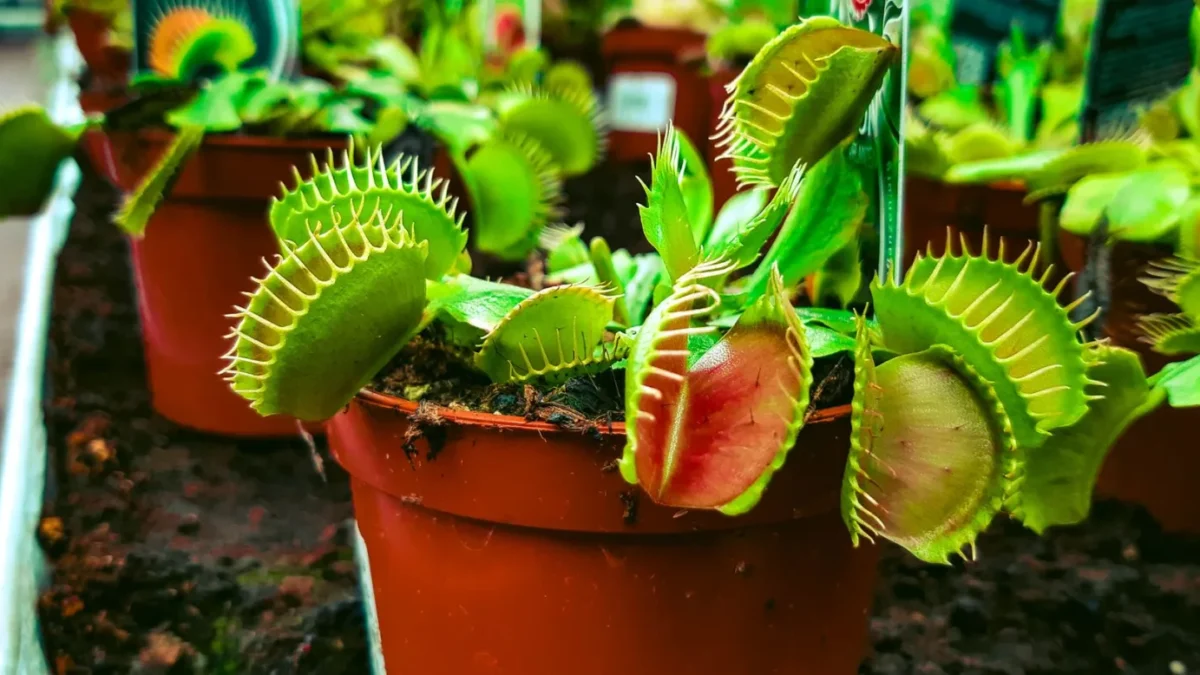
Quick answer: How often should you water a Venus Flytrap? Water it every two to three days using rainwater, sitting it in a saucer with 1 cm of water during spring and summer, and reducing to ½ cm in winter. Never use tap water, which will kill the plant.
| Botanical name | Dionaea muscipula |
|---|---|
| Light | Full sun to partial shade; 12 hours optimal; south or west-facing exposure |
| Watering | Rainwater only; sit in 1 cm water saucer spring/summer, ½ cm winter; water from below |
| Humidity | Above 50%; thrive with humidity despite adapting to drier climates |
| Temperature | 10–27°C (50–80°F); cool winter dormancy above 10°C required |
| Soil | Half sphagnum peat/moss, half coarse horticultural sand; nutrient-poor only |
| Feeding | Never use fertilizer; gets food from insects; nitrogen causes root burn |
| Size | Up to 10 cm tall; 2–6 inches maximum height |
| Difficulty | moderate |
| Cats | ✓ non-toxic |
| Dogs | ✓ non-toxic |
The Water Saucer Method
Venus Flytraps are bog plants that thrive when watered from below rather than overhead. Set your pot in a saucer and keep it sitting in 1 cm of rainwater during the growing season. This method ensures consistent moisture without waterlogging the soil.
To check if you’re watering correctly, squeeze a small handful of soil: it should feel moist but release no excess water when squeezed.
Seasonal Watering Changes
Your Venus Flytrap’s water needs shift with the seasons. During spring and summer, maintain the 1 cm water level in the saucer. In winter, when the plant enters dormancy, reduce this to just ½ cm. A dormant plant with black or droopy leaves is normal—it doesn’t mean you’re underwatering.
Why Rainwater Matters
Tap water contains dissolved minerals, salts, and chlorine that will kill your Venus Flytrap. Collect rainwater or use distilled water only. Minerals left behind after water evaporation cause root rot and wilting.
Signs of Watering Problems
Underwatering causes crispy leaf edges, wilting, and drooping leaves. Overwatering is actually more common and leads to yellowing leaves, mushy roots, and drooping—when roots rot, the plant cannot absorb nutrients.
How often to water Venus Flytrap in winter?
During dormancy, water less frequently but don’t let the soil dry out completely. Reduce the saucer water level to ½ cm. The plant will survive on less because it’s resting, not actively growing.
Read the full guide: Venus Flytrap Care: The Complete Guide
More about Venus Flytrap
The same problem in other plants
- How Often Should You Water Alocasia Frydek?
- How Often Should I Water My Rabbit's Foot Fern?
- How Much and How Often Should You Water Ficus Audrey?
- How Often Should You Water a Rex Begonia?
Sources
- How to care for a Venus flytrap
- 🪰 How to Fix Droopy Leaves on Your Venus Flytrap
- Why is My Venus Fly Trap Drooping
Photo: András Dénes / Pexels, Pexels