Rex Begonia Begonia rex
How Often Should You Water a Rex Begonia
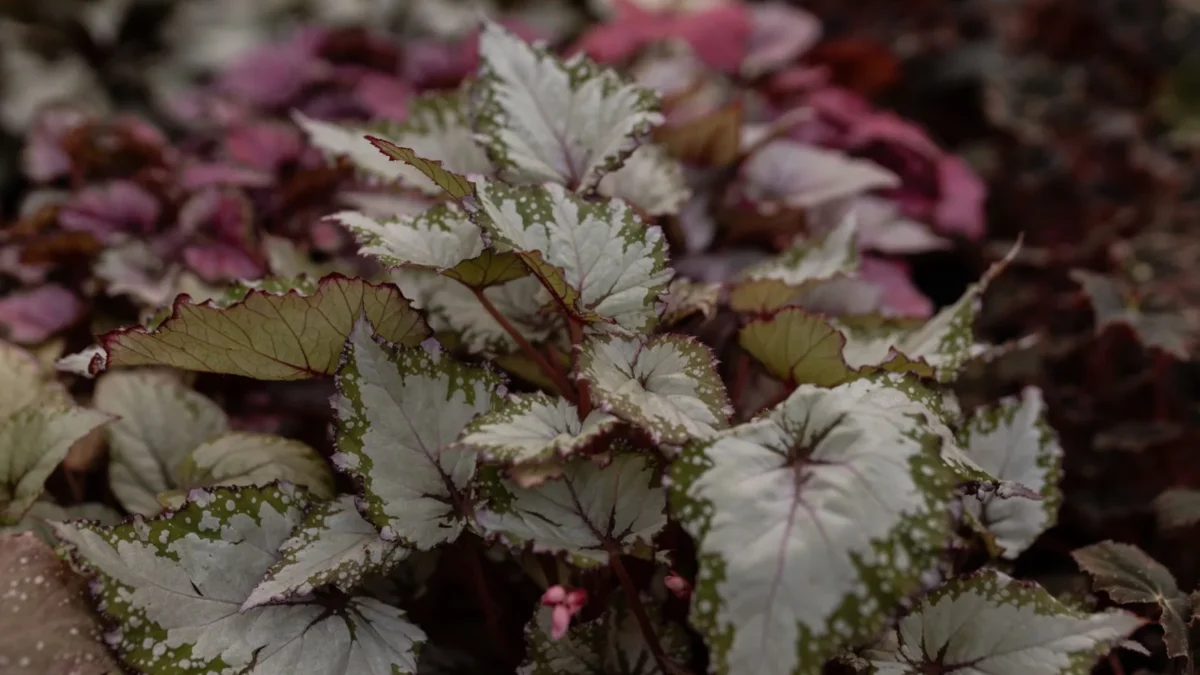
Quick answer: Water a rex begonia when the top 2-3 cm of soil feels dry—roughly every 5 to 8 days in spring and summer, stretching to about 10 to 14 days in winter. Always check the soil first rather than following a fixed calendar, since pot size, soil mix, humidity, and temperature all affect how quickly it dries out.
| Botanical name | Begonia rex |
|---|---|
| Light | Bright indirect light; 1,500-2,200 foot-candles; avoid direct hot sun |
| Watering | Water when top 2-3 cm soil feels dry; every 5-8 days spring/summer, 10-14 days winter |
| Humidity | 50-70% relative humidity; avoid misting leaves directly |
| Temperature | 60-75°F; day ~70°F, night ~60°F; avoid sudden fluctuations |
| Soil | Porous planting mix in shallow pot; avoid heavy dense soil |
| Feeding | Every two weeks May-September with high potassium plant food |
| Size | 1.00-1.50 feet height and spread |
| Difficulty | demanding |
| Cats | ⚠️ toxic — Soluble calcium oxalates cause vomiting and salivation |
| Dogs | ⚠️ toxic — Soluble calcium oxalates cause vomiting and salivation |
The Right Way to Water Rex Begonias
Rex begonias have fine, delicate root systems that are extremely sensitive to moisture—they cannot tolerate sitting in soggy soil, which causes root rot, but they also hate drying out completely. This narrow balance is what makes them demanding plants.
The goal is to keep the soil consistently moist like a wrung-out sponge. Always water the soil directly using a narrow-spouted watering can, keeping the stream away from the leaves and the rhizome. After watering, wait about 15 minutes and empty any excess water from the saucer; never let your begonia sit in standing water.
Bottom watering works beautifully for rex begonias and prevents crown rot, so consider this method if you’re prone to watering the foliage by accident. Use room-temperature water, not ice-cold tap water—sudden temperature shocks can cause the plant to drop leaves or experience stress.
How Often to Water in Each Season
In spring and summer, plan on watering every 5 to 8 days. During winter, growth slows dramatically and your plant may even enter a natural dormancy period, so reduce watering to roughly every 10 to 14 days. If your plant looks like it is slowing down, simply reduce your watering frequency.
Before you water, always feel the top layer of soil. If it feels moist, wait another day or two. Once the top 2-3 cm feels dry, that’s your signal to water thoroughly.
Signs You’re Watering Wrong
Overwatering causes brown leaf tips on young leaves and can also result in older leaves turning brown, becoming dry, and dropping from the plant. If your rex begonia’s leaves are drooping and feel soft, you’ve likely overwatered and should let the soil dry out slightly.
Underwatering shows up differently. Brown or crispy leaf edges often come from dry soil combined with low humidity—two common problems indoors. If only the tips are crispy but the rest of the leaf is healthy, humidity is usually the culprit rather than water alone.
FAQ
What if I underwater my rex begonia?
Dry brown edges often develop when soil dries out between waterings or humidity drops too low. Those who tend to under-water should create a humidity tray to provide a moist environment and prolong soil drying time; you can also hose the foliage down from time to time to hydrate the leaves and keep dust levels down.
Should I mist the leaves?
No—do not mist rex leaves directly. While they need humidity of 50-70% relative humidity, misting wet leaves often causes leaf spots and damage. Use a humidity tray or spray the air around the plant instead.
Can I let my rex begonia dry out in winter?
Rex begonias sometimes take a “winter nap” and stop producing new leaves or drop a few older ones as days shorten and temperatures drop. This is normal. Simply reduce watering frequency to about every 10-14 days and wait for spring growth to resume.
Read the full guide: Rex Begonia Care: The Complete Guide
More about Rex Begonia
The same problem in other plants
- How Often Should I Water My Rabbit's Foot Fern?
- How Much and How Often Should You Water Ficus Audrey?
- How Often Should You Water a Venus Flytrap?
- How Often Should You Water a Norfolk Island Pine?
Sources
- Rex Begonia Care for Beginners
- Rex Begonia Care Indoors: Tips for Stunning Foliage
- How to Care for Begonia Rex Plant: Complete Growing Guide
Photo: Matheus Bertelli / Pexels, Pexels