Norfolk Island Pine Araucaria heterophylla
How Often Should You Water a Norfolk Island Pine
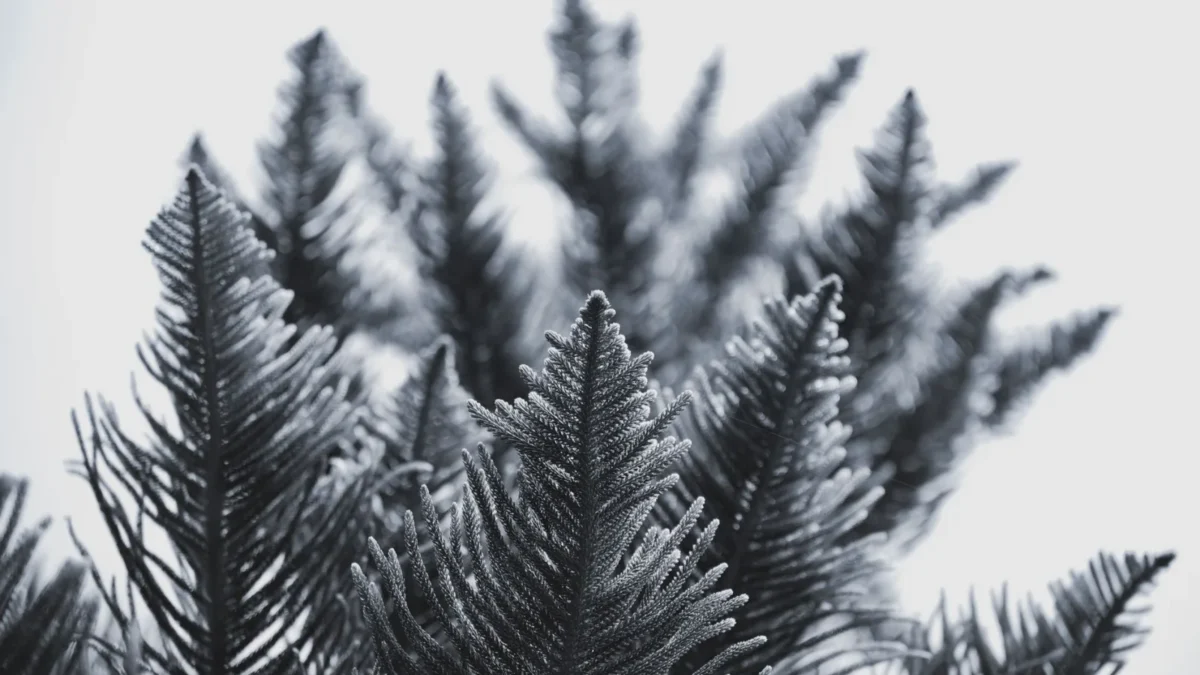
Quick answer: Water your Norfolk Island Pine when the top inch of soil feels dry to the touch. In most homes, this means every 5 to 7 days during spring and summer, and every 7 to 10 days during fall and winter. Smaller pots need more frequent watering—every 3 to 5 days in warmer, drier rooms. The goal is to keep soil moist but never wet, as overwatering causes root rot more easily than underwatering.
Norfolk Island Pine at a glance
| Botanical name | Araucaria heterophylla |
|---|---|
| Light | Bright indirect light; avoid direct afternoon sun which causes scorching |
| Watering | Water when top 1 inch of soil feels dry; every 5-7 days spring/summer, 7-10 days fall/winter |
| Humidity | 50-70% humidity; low humidity causes browning tips |
| Temperature | Daytime 65-75°F; nighttime 55-65°F; keep above 50°F |
| Soil | Fertile, porous, sandy, peaty, slightly acidic, well-drained soil |
| Feeding | Weekly or biweekly dilute liquid fertilizer spring through fall |
| Size | Slow-growing; reaches 6+ feet tall indoors over years |
| Difficulty | easy |
| Cats | ✓ non-toxic |
| Dogs | ✓ non-toxic |
Basic Watering Schedule for Norfolk Island Pine
The standard routine works for most homes:
- Feel the top inch of soil with your finger before watering
- Water thoroughly when it feels dry
- Let excess water drain away—never leave the pot sitting in water
- In spring and summer, expect to water every 5 to 7 days
- In fall and winter, extend to every 7 to 10 days
Season matters because your plant grows more actively in warm months and slows down when days shorten and temperatures drop. Pot size also shifts your routine: smaller containers (2.5 to 5 inches) dry out faster and may need water every 3 to 5 days, especially in warm or dry rooms. Larger pots retain moisture longer and need less frequent watering.
Signs You’re Watering Wrong
Too little water: Browning tips and lower needles are usually caused by underwatering or low humidity. The tree will look stressed and droopy. If you spot brown, dry branches, your Norfolk Island Pine is telling you it’s dehydrated and needs consistent moisture.
Too much water: Root rot is the second most common cause of Norfolk Island Pine decline, after low humidity. Overwatering manifests as brown, wilted leaves and a soft, mushy base. This happens faster at cool nighttime temperatures (55–65°F), so be especially cautious about overwatering during fall and winter.
Why Humidity Matters as Much as Watering
Low humidity causes browning tips even when you water correctly. Norfolk Island Pines prefer 50–70% humidity, which is higher than most homes provide naturally. In dry climates or during winter heating season, increase humidity by misting occasionally, grouping plants together, or placing the pot on a humidity tray. Keeping humidity in the right range also helps your watering efforts work better—the soil dries out more slowly, and the plant uses water more efficiently.
FAQ
Can I water on a fixed schedule?
No. Always check the soil first. Environmental conditions vary—humidity, pot size, room temperature, and light all affect how fast soil dries. A fixed schedule often leads to overwatering.
What kind of water should I use?
Room-temperature tap water works fine for Norfolk Island Pine. If your tap water is heavily chlorinated or softened, you may prefer filtered or distilled water, though most trees tolerate tap water without issues.
Read the full guide: Norfolk Island Pine Care: The Complete Guide
More about Norfolk Island Pine
The same problem in other plants
- How Much and How Often Should You Water Ficus Audrey?
- How Often Should You Water a Venus Flytrap?
- How Often Should You Water a Rex Begonia?
- How Often to Water Your Rattlesnake Plant
Sources
- Caring for a Norfolk Island Pine (Araucaria heterophylla)
- Watering Your Norfolk Island Pine Tree: 5 Pro Tips
- norfolk pine care tips
Photo: Ambareesh Sridhar Photography / Pexels, Pexels