Burro's Tail Sedum morganianum
How Often to Water Burro’s Tail: Spring, Summer & Winter Schedule
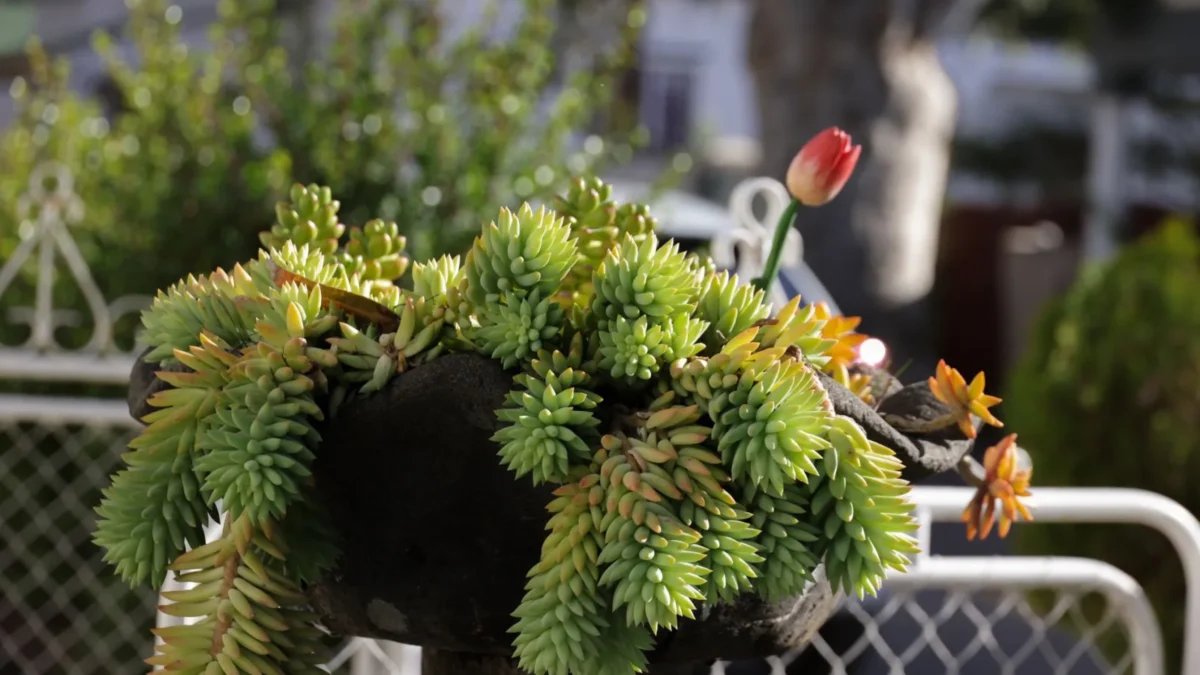
Quick answer: How often to water burro’s tail depends on the season. During spring and summer, water thoroughly when the soil is completely dry, usually every 2-3 weeks. In winter, reduce watering to once a month or less.
| Botanical name | Sedum morganianum |
|---|---|
| Light | Medium to high light; full sun south or west-facing |
| Watering | Spring/summer: water when soil completely dry, every 2-3 weeks; winter: once a month or less |
| Humidity | 30-50%; avoid high humidity and ensure good airflow |
| Temperature | 60-80°F (15-27°C); not frost-tolerant below 50°F (10°C) |
| Soil | Cactus or succulent potting mix with perlite, sand, or pumice for drainage |
| Feeding | Three feedings during spring and summer; none in winter |
| Size | Trailing stems up to 60 cm (24 in) long |
| Difficulty | easy |
Watering Schedule by Season
Burro’s tail is a succulent that stores water in its leaves, so it needs far less frequent watering than most houseplants. The key is letting the soil dry out completely between waterings.
Spring and Summer (Growing Season)
During the warm months when your burro’s tail is actively growing, water thoroughly when the soil is completely dry, usually every 2-3 weeks. The exact timing depends on how quickly your soil dries—factors like pot size, soil type, light, and room temperature all play a role.
Fall and Winter
As temperatures drop and growth slows, your plant needs far less water. In winter, reduce watering frequency to once a month or less. Many plant owners find they water their burro’s tail only 2–3 times over the entire winter.
How to Know When to Water
The most reliable way to check if your burro’s tail needs water is the leaf squeeze test. Gently squeeze a lower leaf near the base of the plant; if it feels firm like a grape, the plant is hydrated and should not be watered. If the leaf feels soft or squishy, it’s overwatered and needs to dry out.
Always use the “soak and dry” method: water thoroughly until it drains from the bottom, then don’t water again until the soil is bone dry. When you do water, pour water onto the soil only—avoid getting the leaves wet, as this can cause them to rot or fall off easily.
What Happens When You Water Wrong
Overwatering is the biggest threat to burro’s tail. If you water when the soil is still damp from the previous watering, leaves become very soft and plump as they fill with water, and you risk root rot. Overwatered plants often lose leaves dramatically. To fix this, reduce watering frequency and make sure the drainage hole isn’t blocked.
Underwatering is less common but still a problem. If your burro’s tail dries out for too long, its leaves will wrinkle, shrivel, and thin, sometimes with brown tips, before dropping. If you notice this happening, slowly reintroduce water rather than drowning the plant—a little water once a day for a week should get it back on track, as sudden changes can shock the plant and cause more leaf loss.
Other Conditions That Affect Watering Needs
Your plant also needs good drainage and airflow to thrive. Use a cactus or succulent potting mix enriched with perlite, sand, or pumice. Burro’s tail prefers humidity of 30–50% and does not tolerate high humidity, so keep it away from bathrooms and ensure plenty of airflow. Keep temperatures between 60–80°F (15–27°C); if grown outdoors, bring your plant inside once temperatures drop below 50°F (10°C).
Should I water my burro’s tail on a set schedule?
No—water based on soil dryness, not a calendar. Check the soil every week or two during the growing season, and water only when it’s completely dry. Environmental conditions change seasonally and between homes, so a fixed schedule often leads to overwatering.
Can I use the same watering routine year-round?
No. Winter growth slows dramatically, so your plant needs much less water. Watering as often in winter as you do in summer is a common cause of root rot. Cut back to once a month or less in the colder months.
What’s the difference between soak and dry and bottom watering?
Soak and dry means watering the soil thoroughly until it drains, then waiting until completely dry to water again. Bottom watering (placing the pot in water) works too, but direct soil watering is simpler and lets you easily avoid wetting the leaves.
Read the full guide: Burro's Tail Care: The Complete Guide
More about Burro's Tail
The same problem in other plants
- How Often to Water Your Rattlesnake Plant
- How Often and How Much to Water Purple Shamrock
- How Often Should You Water Watermelon Peperomia?
- How Often to Water Bunny Ears Cactus
Sources
- Burro's Tail (Sedum morganianum) Care Guide: A Trailing Succulent Beauty 🌟 – Healthy Houseplants
- Burro's Tail Care Guide: How to Grow the Donkey Tail Succulent
- Burro's Tail Plant Care – How to Grow Sedum morganianum 'Burrito' – Soltech
Photo: Magda Ehlers / Pexels, Pexels