Purple Shamrock Oxalis triangularis
How Often and How Much to Water Purple Shamrock
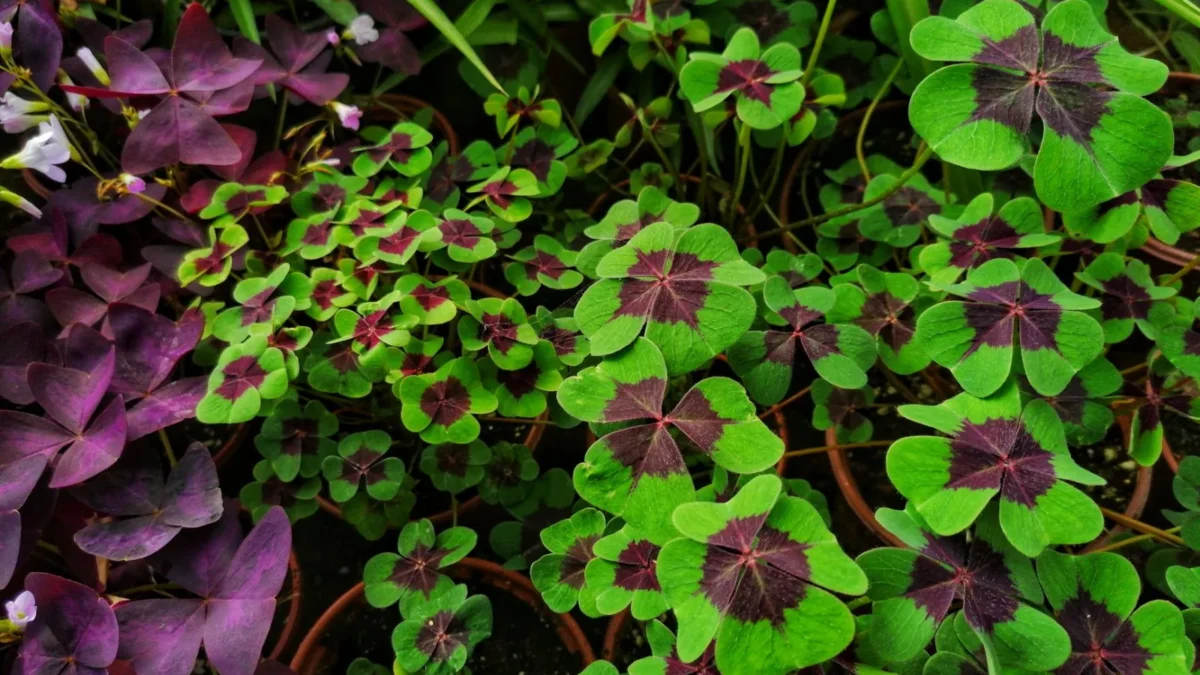
Quick answer: How often to water purple shamrock depends on the season—check the top inch of soil and water when dry during spring and summer (typically every four to seven days), then switch to watering every two to three weeks during fall and winter dormancy.
| Botanical name | Oxalis triangularis |
|---|---|
| Light | Bright indirect light; avoid direct sun which causes leaf burn; low light causes leggy growth |
| Watering | Spring-summer: water when top inch of soil is dry. Fall-winter: water every 2-3 weeks. Never overwater; drainage essenti |
| Humidity | Average household humidity; 40-60% preferred |
| Temperature | 60-75°F (15-24°C); avoid temps below 50°F or above 85°F |
| Soil | Well-draining sandy or humus-rich soil; equal parts loam, leaf mould, grit; perlite amendment recommended |
| Feeding | Spring-summer only: balanced fertilizer every 2-3 weeks; do not fertilize during dormancy |
| Size | 1.5 ft tall with 2 ft spread at maturity |
| Difficulty | easy |
Watering Schedule by Season
During the growing season of spring through summer, water when the top inch of soil feels dry to the touch. Apply water until it runs from the pot’s bottom drain holes. In a pot with good drainage, this usually means watering every four to seven days depending on humidity, pot size, and temperature.
When fall and winter arrive and your plant naturally slows down, shift to a much lighter schedule: water about every two to three weeks. This is critical because the plant enters dormancy and rests—continuing to water at the active-growth rate is the primary cause of tuber rot, which is often fatal.
Signs of Too Much or Too Little Water
Overwatering shows up as yellowing leaves, sudden stems collapsing together, mushy bases, and a sour soil smell. Underwatering looks like dramatically drooping leaves and dry crispy tips, but the good news is that a thorough watering usually plumps the plant back within hours.
The most important thing to remember: purple shamrock likes consistent moisture but not wet feet. Overwatering is the most common cause of trouble, leading to rhizome rot. This plant cannot tolerate overly wet soils, so a container with a drain hole and well-draining soil are non-negotiable.
What to Water With
Use room-temperature filtered, distilled, or rainwater if possible. This plant can be sensitive to chlorine, fluoride, and mineral salts in hard tap water, which may cause leaf tip browning over time.
FAQ
How do I know if my purple shamrock needs water?
Stick your finger into the soil; if the top inch feels dry to the touch, it’s time to water.
What happens if I water during dormancy?
Continuing to water a fully dormant plant at the active-growth schedule causes tuber rot, which is the most serious problem this plant faces and is often fatal. When foliage dies back completely, reduce watering dramatically and let the plant rest.
Can I use tap water?
Tap water is fine, but filtered, distilled, or rainwater is preferred because this plant can be sensitive to hard water minerals.
Read the full guide: Purple Shamrock Care: The Complete Guide
More about Purple Shamrock
The same problem in other plants
- How Often Should You Water a Rex Begonia?
- How Often Should You Water a Norfolk Island Pine?
- How Often to Water Your Rattlesnake Plant
- How Often Should You Water Watermelon Peperomia?
Sources
- Oxalis Triangularis Care
- Purple Shamrock Care
- Purple Shamrock Care Guide – Light, Watering & Dormancy Explained
Photo: Orhan Akbaba / Pexels, Pexels