Bromeliad Guzmania
How to Propagate Bromeliads from Pups: Step-by-Step Guide
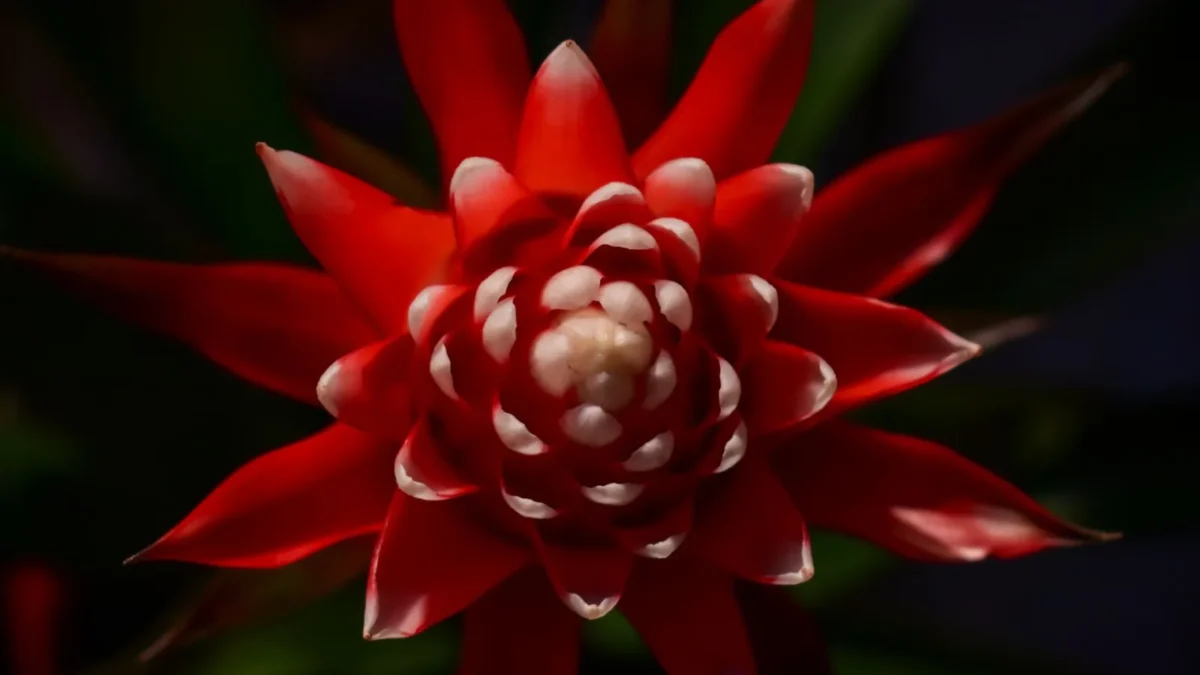
Quick answer: Here’s how: You can propagate bromeliads by separating the pups (baby offshoots) that form at the base after the parent flowers, then potting them in fast-draining soil or propping them with stakes if they lack roots. New plants take about 4 weeks to root and 2–3 years to mature and flower.
| Botanical name | Guzmania |
|---|---|
| Light | Bright, indirect light; tolerates low light and artificial light |
| Watering | Keep central cup filled ¼ to ½ way; water soil when top dries; empty/refill cup monthly |
| Humidity | High humidity; mist regularly; use pebble tray or humidifier |
| Temperature | Summer 21°C (70°F); cooler 12°C (55°F) when buds form; minimum 10°C (50°F) winter |
| Soil | Peat-free, loam-free, free-draining mix of fine bark, perlite, coir fibre |
| Feeding | Half-strength diluted fertilizer or less |
| Size | 1.00 to 2.00 feet height and spread |
| Difficulty | easy |
When to harvest bromeliad pups
Once your Guzmania flowers, the rosette of leaves begins to die and is replaced by offsets (pups) at the base of the plant. Wait until the pups are ready before removal—this timing matters for success. Harvest pups once they reach about 1/3 the size of the mother plant. Pups should reach a size of at least one-third to one-half the height of the mother plant before removal; this size ensures the offset has sufficient leaf surface area to perform photosynthesis and sustain itself once detached.
Separating and preparing the pups
- Use clean, sterilized clippers or a sharp knife to separate the babies from the main plant; cut each offshoot off at the point where it is attached to the mother.
- Let the cut surfaces dry in shade for a couple of days (a few hours for thin-leaved bromeliads/air plants) so they seal before potting.
- Check whether your pups have roots. The ones at the soil line will usually have some of their own roots, but those that grow solely attached to the stem might not. Make sure that the pup has some roots attached to it as they are necessary to provide support for the pup; however, even without any roots the pup will still grow its own roots.
Potting bromeliad pups in soil
Use a container roughly twice the size of the baby and fill it with potting soil or a fast-draining mix; plant the pups at the same depth they were in the original container, taking care to cover all of the roots, and place the pot in a warm location with plenty of bright, indirect light, fill the pup’s center cup with water, and keep the soil evenly moist, but not soggy.
Grow in a peat-free, loam-free, free-draining potting mix, such as a mix of fine bark, perlite and coir fibre. Make sure the mix is light and airy so the roots get good airflow; water should be able to drain freely through the potting material.
Propagating bromeliad pups without roots
If your pups have no roots, don’t discard them—they can still develop into healthy plants. Even if your bromeliad pups don’t have roots, you can still propagate them because they are epiphytes and get their nutrients and moisture from their central cups; prop them up with wooden stakes, as this will allow them to develop roots without the risk of rotting if they’re planted too deep.
Keep the pup’s central cup filled with water, maintain warm temperatures, and provide bright, indirect light. Humidity is essential for success, so mist regularly or place the container on a tray of damp pebbles.
What to expect: timing and growth
If you ensure that the warmth, humidity, and light conditions are correct, it should take around 4 weeks for the bromeliad pups to root; you’ll know they’re rooted when you start to see new growth. Once rooted, growth will accelerate. The whole process from pup to mature plant takes about 2–3 years. The mother plant flowers only one time and produces pups or offshoots which mature after 18–24 months and then they flower, and the cycle repeats itself.
FAQ
Can you propagate bromeliads from cuttings or seed?
This guide focuses on pup propagation, which is the most reliable method for Guzmania. Pups are natural offshoots and carry the exact genetics of the parent, whereas seed propagation is slower and less predictable.
How long can I keep the mother plant after flowering?
Once the flower bract starts to turn brown or the color fades, it’s a sign that the plant is done blooming and is starting to die, which is a normal part of their life cycle; unfortunately, there’s nothing you can do to save the plant once it starts dying, but keep it growing as long as possible so baby pups have time to form and mature.
What temperature and humidity do pups need?
Keep at around 21ºC (70ºF) in summer to encourage flowering, but once buds form, cooler temperatures of 12ºC (55ºF) will help the display last longer; provide a minimum of 10ºC (50ºF) in winter. Guzmania plants need humid air to prosper.
Read the full guide: Bromeliad Care: The Complete Guide
More about Bromeliad
The same problem in other plants
- How to Propagate String of Hearts: A Complete Guide
- How to Propagate Arrowhead Plant: Water and Soil Methods
- How to Propagate Croton from Cuttings and Leaves
- How to Propagate Anthurium: A Step-by-Step Guide