Chinese Evergreen Aglaonema
Is Chinese Evergreen Toxic to Cats and Dogs?
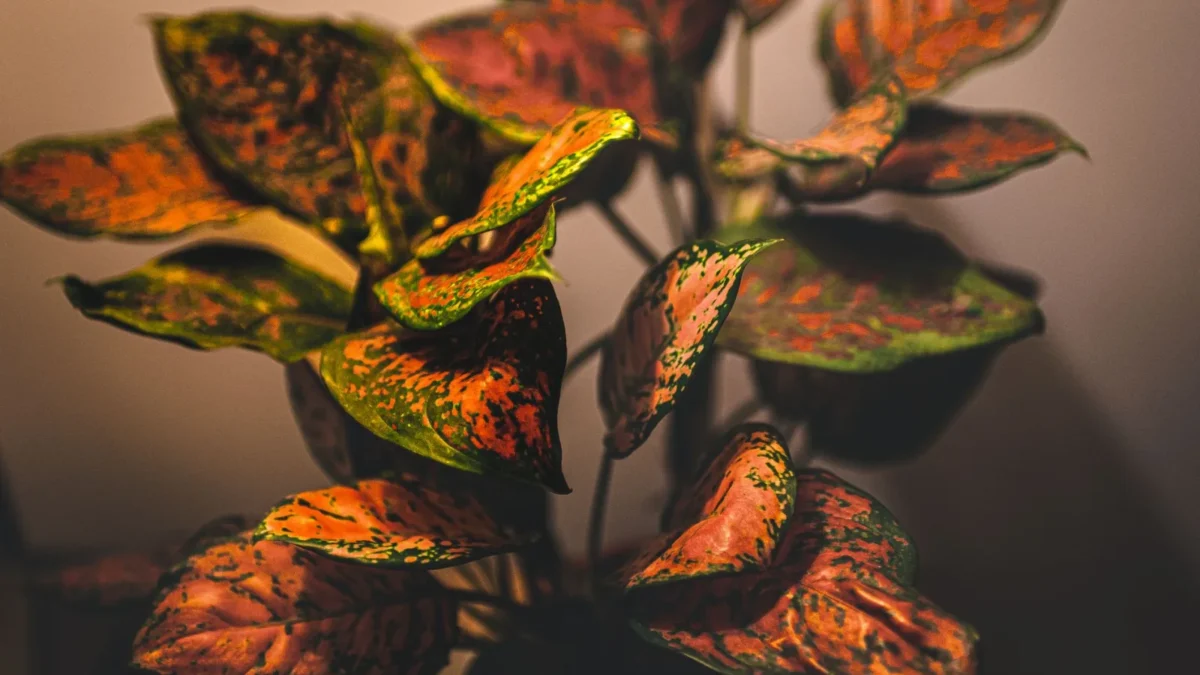
Quick answer: Yes, Chinese Evergreen is toxic to both cats and dogs. The plant contains insoluble calcium oxalates that cause oral irritation, swelling, drooling, and vomiting if chewed or swallowed.
| Botanical name | Aglaonema |
|---|---|
| Light | Bright, filtered indirect light; avoid direct sun which scorches foliage |
| Watering | When top 1-2 inches of soil feel dry; every 7-14 days spring/summer, every 2-4 weeks fall/winter |
| Humidity | High humidity; 50-60% preferred; place on tray of moist gravel |
| Temperature | 65-80°F; minimum 60°F in winter; avoid cold drafts |
| Soil | Well-draining, peat-free houseplant compost or peaty potting mixture |
| Feeding | Balanced liquid fertilizer monthly during growing season (spring to autumn) |
| Size | 0.5-1 m tall; 20 inches typical height |
| Difficulty | easy |
| Cats | ⚠️ toxic — Insoluble calcium oxalates; oral irritation, drooling, swelling, vomiting |
| Dogs | ⚠️ toxic — Insoluble calcium oxalates; oral irritation, drooling, swelling, vomiting |
What Happens If Your Cat or Dog Ingests Chinese Evergreen
When a cat or dog chews or swallows any part of the plant, the calcium oxalate crystals release immediately. These needle-like crystals embed in the mouth and throat, producing burning, pain, and often vomiting right away.
Watch for these signs:
- Oral irritation and pain
- Swelling of the mouth, tongue, and lips
- Excessive drooling
- Vomiting
- Difficulty swallowing
- Pawing at the mouth
- Itchy skin or rash
Symptoms can appear immediately or up to two hours after exposure. The reaction is usually confined to the mouth and gut, though serious airway swelling is rare but requires emergency care.
What to Do If Your Pet Chews Chinese Evergreen
If your cat or dog has chewed or eaten part of your Chinese Evergreen, call your vet right away. If you cannot reach a veterinarian, contact the ASPCA Animal Poison Control Center at (888) 426-4435 in the US, or Animal PoisonLine at 01202 509 000 in the UK.
Do not wait for symptoms to develop—professional guidance is essential even if your pet seems fine, as internal damage may not be immediately obvious.
Keeping Your Plant Safe from Pets
If you have cats or dogs, the safest approach is to keep Chinese Evergreen out of reach. Place it on a high shelf, hanging planter, or closed room your pet cannot access. The plant’s low-maintenance nature means it thrives in bright, filtered indirect light away from direct sun, which naturally suits placement on upper surfaces or in rooms where pets do not roam.
Consider non-toxic alternatives if your pet has a habit of chewing houseplants, but if you choose to keep Chinese Evergreen, vigilance and quick access to emergency contact details will protect your pet’s health.
Read the full guide: Chinese Evergreen Care: The Complete Guide
More about Chinese Evergreen
The same problem in other plants
- Is Parlor Palm Toxic to Cats, Dogs, and Other Pets?
- Is English Ivy Toxic to Cats and Dogs?
- Is Dieffenbachia Toxic to Cats and Dogs?
- Is String of Pearls Toxic to Cats and Dogs?
Sources
- Toxic and Non-toxic Plants: Chinese Evergreen
- Are Chinese Evergreen Plants Toxic to Cats?
- Is Aglaonema Toxic to Cats? Yes — Oxalates – Cat Safe Plants
Photo: Yvon Gallant / Pexels, Pexels