Chinese Evergreen Aglaonema
Why Are My Chinese Evergreen Leaves Turning Yellow?
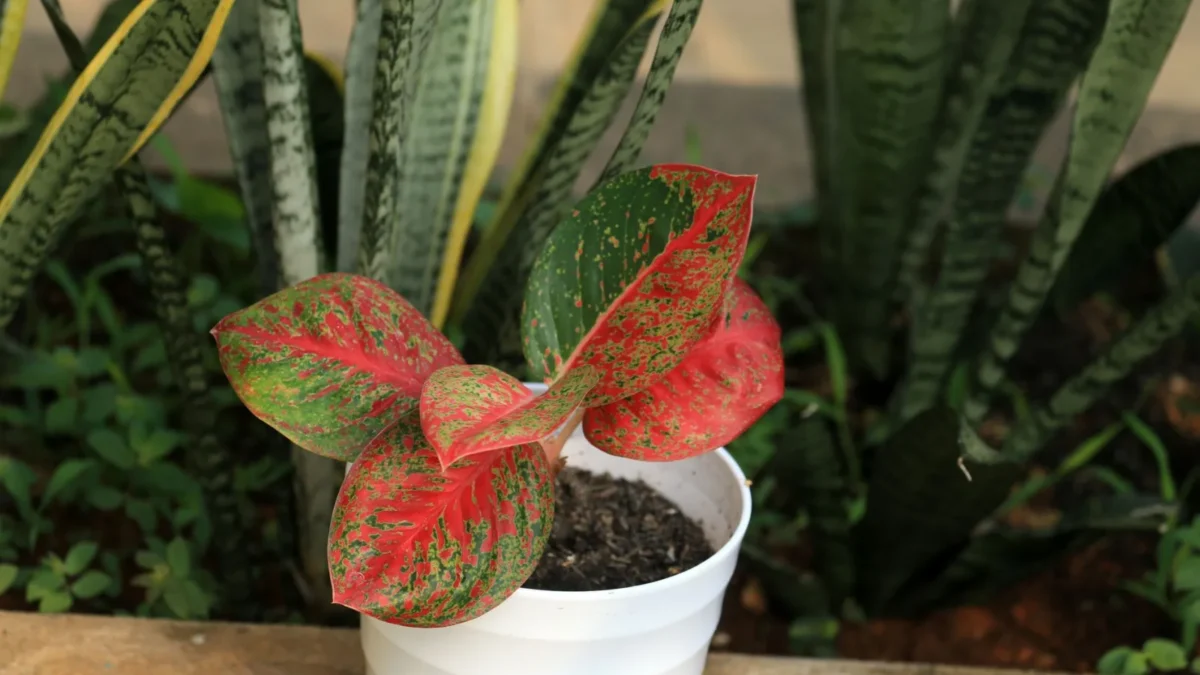
Quick answer: Overwatering is the most common cause of yellow leaves on Chinese Evergreen. The other main culprits are poor light conditions and nutrient deficiencies. Most cases are fixable once you identify what’s wrong.
| Botanical name | Aglaonema |
|---|---|
| Light | Bright, filtered indirect light; avoid direct sun which scorches foliage |
| Watering | When top 1-2 inches of soil feel dry; every 7-14 days spring/summer, every 2-4 weeks fall/winter |
| Humidity | High humidity; 50-60% preferred; place on tray of moist gravel |
| Temperature | 65-80°F; minimum 60°F in winter; avoid cold drafts |
| Soil | Well-draining, peat-free houseplant compost or peaty potting mixture |
| Feeding | Balanced liquid fertilizer monthly during growing season (spring to autumn) |
| Size | 0.5-1 m tall; 20 inches typical height |
| Difficulty | easy |
| Cats | ⚠️ toxic — Insoluble calcium oxalates; oral irritation, drooling, swelling, vomiting |
| Dogs | ⚠️ toxic — Insoluble calcium oxalates; oral irritation, drooling, swelling, vomiting |
| What you see | Likely cause | What to do |
|---|---|---|
| Yellow lower leaves, soggy soil, musty smell | Overwatering and root rot | Reduce watering frequency; water only when top 1-2 inches of soil feel dry; empty saucer within 15 minutes; repot into fresh soil if root rot is advanced |
| Yellow leaves overall, plant looks droopy, dim indoor location | Low light | Move to a bright, filtered light spot; a north or east-facing window works well |
| Yellow older leaves with green veins, or yellow leaf edges while center stays green | Nutrient deficiency (nitrogen, iron, potassium, or magnesium) | Apply balanced liquid fertilizer monthly during spring to autumn |
| Dry brown tips, crispy edges, light pot | Underwatering | Water thoroughly until it drains from the bottom; check soil before watering |
| Scorch marks or pale yellow patches on leaves facing window | Direct sun damage | Filter intense afternoon light with a sheer curtain; bright, indirect light is ideal |
How overwatering causes yellowing
Overwatering saturates the soil and deprives roots of oxygen. Roots that can’t breathe begin to rot, losing their ability to absorb water and nutrients. This triggers yellowing leaves, often starting at the bottom of the plant.
To check for root rot, gently remove the plant from its pot and inspect the roots. Healthy roots are firm and white or light tan. If they’re dark, mushy, or smell foul, root rot is present.
How to fix it:
- Stop watering on a schedule—water only when the top 1–2 inches of soil feel dry to the touch, typically every 7–14 days in spring and summer, or every 2–4 weeks in fall and winter.
- Always water deeply until it drains freely from the bottom, then discard excess water from the saucer within 15 minutes.
- If root rot is severe, repot the plant into fresh, well-draining compost.
- Ensure your pot has drainage holes.
Yellow leaves from poor light or wrong light
Chinese Evergreen needs bright, filtered indirect light to thrive. Too little light prevents the plant from producing enough chlorophyll, causing leaf yellowing. Conversely, direct sun can scorch the foliage and turn leaves yellow.
Place your plant in a north or east-facing window, or use a sheer curtain to filter intense afternoon light from the west. The plant will tolerate low-light rooms better than many houseplants, but yellowing leaves signal it needs brighter conditions.
Nutrient deficiencies and yellowing leaves
A nitrogen deficiency often causes yellowing of older leaves, while iron deficiency leads to yellowing between leaf veins. Potassium deficiency shows as bright yellow leaf edges while the inner part stays green, appearing first on older leaves. Magnesium deficiency creates yellow patches between the veins of older leaves.
During the growing season (spring to autumn), apply a balanced liquid fertilizer monthly to prevent nutrient deficiencies. This simple step prevents most nutrient-related yellowing.
Preventing yellow leaves
The best defense is proper watering: check the soil before watering, and water only when the top 1–2 inches feel dry. Overwatering is the leading cause of decline in this popular houseplant, so err on the side of underwatering rather than over. Chinese Evergreen is moderately drought-tolerant and forgiving of irregular watering.
Keep your plant in bright, indirect light, and feed with balanced fertilizer monthly during the growing season. These three steps—correct watering, proper light, and regular feeding—eliminate the vast majority of yellowing problems.
Read the full guide: Chinese Evergreen Care: The Complete Guide
More about Chinese Evergreen
The same problem in other plants
- Why Are My Christmas Cactus Leaves Turning Red or Purple?
- Why Are My Parlor Palm Leaves Turning Yellow?
- Why Are My Dieffenbachia Leaves Turning Yellow?
- Why Are My Prayer Plant Leaves Turning Yellow? Complete Solutions
Sources
- Chinese Evergreen Watering: When, How Much & What to Avoid
- Troubleshooting Yellow Leaves on Your Aglaonema Plant
- Aglaonema modestum
Photo: Jeffry Surianto / Pexels, Pexels