Parlor Palm Chamaedorea elegans
How to Propagate Parlor Palm: Step-by-Step Guide
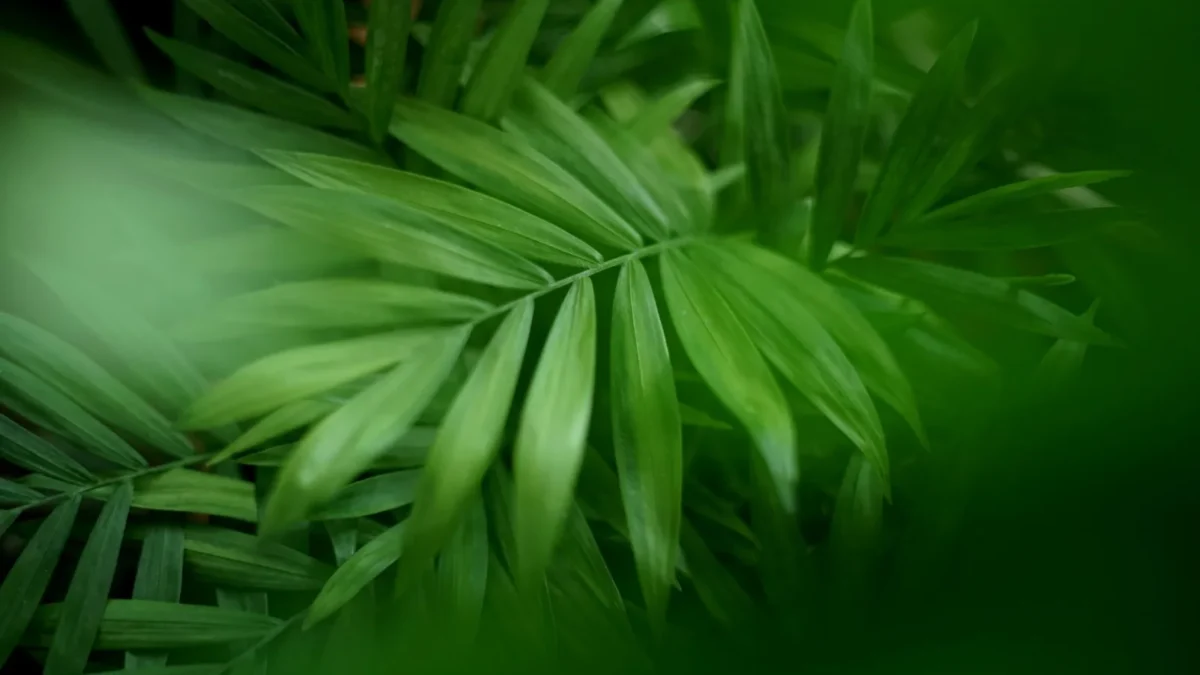
Quick answer: You can propagate parlor palm in two ways: division of established clumps (easiest and fastest) or seed germination (slower but rewarding). Division is the best method for most home gardeners and gives you new plants in 4–6 weeks.
| Botanical name | Chamaedorea elegans |
|---|---|
| Light | Bright filtered light; tolerates low light but prefers bright indirect light |
| Watering | Water when top inch of soil is dry; every 1-2 weeks; less often in winter |
| Humidity | Tolerates low humidity; prefers 40-50% relative humidity; mist in very dry environments |
| Temperature | 65-80°F (18-27°C); minimum winter night 61°F (16°C); avoid cold drafts |
| Soil | Peaty soil-based potting mix; 2 parts peat moss and 1 part sharp sand |
| Feeding | Balanced water-soluble fertilizer diluted to half strength monthly during growing season |
| Size | Usually 4 feet tall indoors; slow-growing; compact form |
| Difficulty | easy |
Propagate Parlor Palm by Division
Division is the most reliable way to propagate parlor palm. The plant naturally grows in multiple stems clustered together, making it perfect for splitting into separate sections.
Best timing: Start in spring or early summer when the plant is actively growing. This is when it recovers fastest from the division process.
Steps:
-
Choose a healthy parent plant. Pick a mature parlor palm with multiple stems.
-
Water thoroughly the day before. This reduces stress on the plant during division.
-
Remove from the pot. Carefully take out the plant and gently tease apart the root ball to find natural divisions between stems.
-
Separate into sections. Using a clean knife, cut through the roots to divide the clumps while keeping as many roots attached as possible to each section.
-
Check each division. Make sure each section has at least 2–3 stems and a healthy root system.
-
Pot in fresh mix. Use a peaty, soil-based potting mix. Plant each division and water lightly.
-
Provide warm, humid conditions. Place in indirect light and keep the soil consistently moist (not soggy).
What to expect: New growth typically appears in 4–6 weeks. Success rates are usually 80–90% when done correctly, though it may take 1–2 years for the new plants to reach a substantial size.
How to Grow Parlor Palm from Seed
Seed propagation is slower but possible. Parlor palm cannot be propagated from cuttings—severed fronds and stems will never root.
Preparation:
-
Clean any fruit pulp from the seed and soak it in warm water for 24–48 hours to soften the coat.
-
Press the seed into free-draining potting mix so the top is barely covered.
-
Keep the mix at 24–29°C (75–84°F) with steady moisture. Bottom heat significantly improves germination.
-
Maintain high humidity and do not let the mix dry out.
Timeline: Germination is erratic and typically takes 1–3 months. The whole process from seed to a recognizable young plant can take a year or more.
Common Mistakes to Avoid
Overwatering is the main pitfall with newly divided sections. Keep the soil moist but never soggy, as waterlogged roots quickly rot.
Using cuttings won’t work—don’t waste time trying. Only division or fresh seed will produce new plants.
Poor timing reduces success. Division during spring or summer when the plant is actively growing ensures faster recovery.
Not keeping enough roots. Each divided section needs a good root system to establish quickly in its new pot.
FAQ
Can you propagate parlor palm in water?
Water propagation doesn’t work reliably for parlor palm. Use soil-based potting mix for division, and soil or a free-draining medium for seeds. Soil provides better root development and establishment.
How long does it take to propagate parlor palm?
Division is fast—you’ll see new growth in 4–6 weeks. Seed propagation is much slower; germination alone takes 1–3 months, and a recognizable plant takes a year or longer.
Do I need special equipment to divide parlor palm?
You only need a clean knife or sharp scissors and a pot with drainage holes. Water the plant a day before to reduce stress.
Read the full guide: Parlor Palm Care: The Complete Growing Guide
More about Parlor Palm
The same problem in other plants
- How to Propagate Christmas Cactus from Cuttings
- How to Propagate Ponytail Palm: Step-by-Step Methods
- How to Propagate Areca Palm: Methods That Work
- How to Propagate English Ivy: Step-by-Step Methods
Sources
- Parlor Palm (Chamaedorea elegans) Care Guide 🌟 – Healthy Houseplants
- How to Propagate Parlour Palm? Seed
- How to Propagate Parlor Palms
Photo: Natalia Goryaeva / Pexels, Pexels