Parlor Palm Chamaedorea elegans
Why Are My Parlor Palm Leaves Turning Yellow?
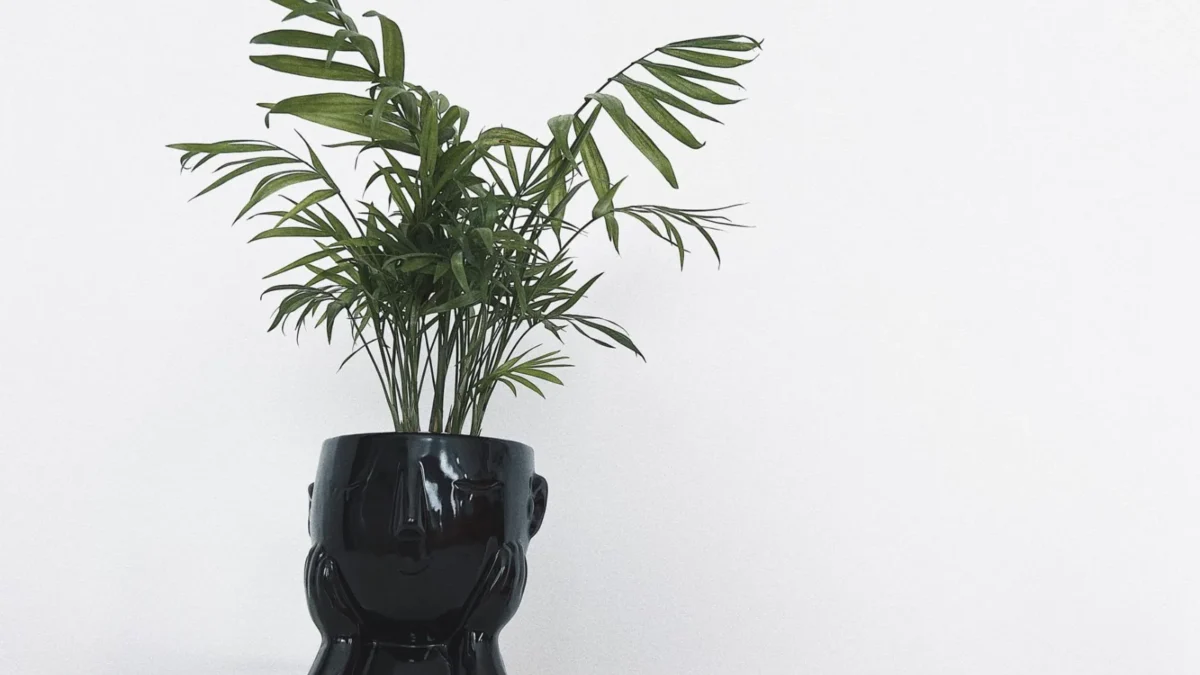
Quick answer: Yellowing leaves on your parlor palm usually come from overwatering, too much direct sun, pests, or nutrient deficiencies. Check your watering habits and light conditions first—these are the most common culprits.
| Botanical name | Chamaedorea elegans |
|---|---|
| Light | Bright filtered light; tolerates low light but prefers bright indirect light |
| Watering | Water when top inch of soil is dry; every 1-2 weeks; less often in winter |
| Humidity | Tolerates low humidity; prefers 40-50% relative humidity; mist in very dry environments |
| Temperature | 65-80°F (18-27°C); minimum winter night 61°F (16°C); avoid cold drafts |
| Soil | Peaty soil-based potting mix; 2 parts peat moss and 1 part sharp sand |
| Feeding | Balanced water-soluble fertilizer diluted to half strength monthly during growing season |
| Size | Usually 4 feet tall indoors; slow-growing; compact form |
| Difficulty | easy |
| What you see | Likely cause | What to do |
|---|---|---|
| Yellowing throughout, wilting, soggy soil | Overwatering | Reduce watering frequency; ensure the pot has drainage holes; let soil dry between waterings |
| Yellowing with dry, crispy leaf tips | Underwatering | Water more frequently; check soil moisture with your finger weekly |
| All leaves yellowing uniformly | Too much direct sunlight | Move the plant to a spot with bright, filtered light instead |
| Yellow margins on older leaves, moving upward | Magnesium deficiency | Fertilize with a balanced, water-soluble fertilizer diluted to half strength |
| Overall yellowing with stunted growth | Nitrogen deficiency | Feed monthly during growing season with balanced fertilizer |
| Yellowing with fine webbing or speckling | Spider mites | Mist regularly; spray affected leaves with water or use miticides |
How to identify what’s causing the yellowing
The key is to look at which leaves are yellowing and what else you notice. This is perfectly normal and nothing to worry about. But if it’s affecting younger leaves or spreading across the plant, something’s wrong.
Overwatering is the most common problem. The root system needs oxygen, and sitting in wet soil suffocates the roots. Check the soil by inserting your finger into the top three inches— if the soil feels dry, water; if you detect moisture, skip watering for now. Water about every 1 to 2 weeks, when the top inch of soil is dry; keep the soil lightly moist but never soggy, and water less often in winter.
Underwatering causes a different pattern. If leaves look crispy at the tips and drooping, your plant isn’t getting enough water. Increase your watering frequency and check soil moisture regularly each week.
Too much direct sun scorches the foliage. These plants prefer bright, indirect light but can tolerate lower light conditions; however, too much direct sunlight can scorch the leaves, leading to yellowing. If your palm is in a sunny window, move it to a location where the light is filtered.
Nutrient problems and pests
If watering and light are correct but yellowing persists, check for deficiencies. Magnesium deficiency shows up as yellowing on the edges of the oldest leaves, gradually moving upward to younger leaves. A lack of nitrogen can manifest as overall yellowing of leaves and stunted growth. Make sure that you are fertilizing your Parlor Palm regularly, especially during the growing season; palms require a balanced fertilizer with enough potassium and magnesium in the soil to maintain their health. Feed with a balanced, water-soluble fertilizer diluted to half strength once a month during the growing season (spring and summer).
Pests can also cause yellowing. Spider mites cause yellowing and speckling of the fronds on parlor palms; you can expect webbing and leaf loss in severe infestations. Spider mites thrive in dry conditions, so regular misting and cleaning of the foliage can go a long way toward preventing or treating spider mites. Mealybugs feed on plant sap and excrete a sticky substance known as honeydew; mealybug infestation can cause leaf yellowing, stunted growth, or plant dieback. Check the undersides of leaves for small insects or sticky residue.
How to prevent yellowing
The best prevention is consistent care. Watering needs vary depending on temperature, humidity, light, and soil type, so pay attention to soil moisture level rather than watering on a strict schedule. Best growth occurs in bright filtered light, so position your palm where it gets indirect sunlight. Although this palm will tolerate dry indoor air, it will be healthier with 40-50% relative humidity; if the air is particularly dry, consider misting the fronds or placing the pot on a pebble tray filled with water. Regular misting also helps prevent spider mites from settling in.
Read the full guide: Parlor Palm Care: The Complete Growing Guide
More about Parlor Palm
The same problem in other plants
- Why Are My Anthurium Leaves Turning Yellow?
- Why Are My African Violet Leaves Turning Yellow?
- Why Are My Christmas Cactus Leaves Turning Red or Purple?
- Why Are My Dieffenbachia Leaves Turning Yellow?