Parlor Palm Chamaedorea elegans
How Often Should You Water a Parlor Palm?
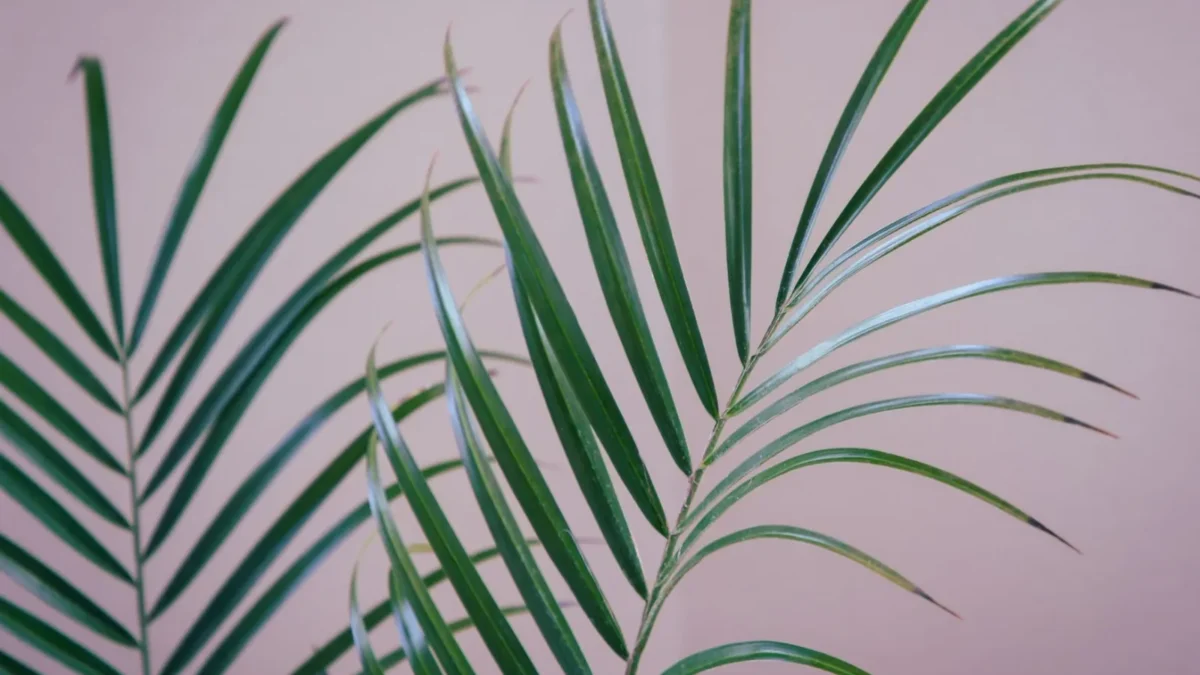
Quick answer: How often? Water your parlor palm every 1 to 2 weeks when the top inch of soil feels dry to the touch. In winter, water less frequently—roughly every 2 to 3 weeks. The key is checking the soil rather than following a fixed schedule, as watering needs shift with temperature, humidity, light, and season.
| Botanical name | Chamaedorea elegans |
|---|---|
| Light | Bright filtered light; tolerates low light but prefers bright indirect light |
| Watering | Water when top inch of soil is dry; every 1-2 weeks; less often in winter |
| Humidity | Tolerates low humidity; prefers 40-50% relative humidity; mist in very dry environments |
| Temperature | 65-80°F (18-27°C); minimum winter night 61°F (16°C); avoid cold drafts |
| Soil | Peaty soil-based potting mix; 2 parts peat moss and 1 part sharp sand |
| Feeding | Balanced water-soluble fertilizer diluted to half strength monthly during growing season |
| Size | Usually 4 feet tall indoors; slow-growing; compact form |
| Difficulty | easy |
The Basic Watering Schedule
Watering frequency for parlor palms depends on the time of year and your home’s conditions:
- Spring and summer (growing season): Every 5 to 7 days
- Fall: Every 7 to 10 days
- Winter: Every 2 to 3 weeks
These timings are guidelines. Your actual rhythm will depend on whether it’s warm and dry or cool and humid where you live.
How to Know When to Water
The most reliable method is checking the soil directly. Insert your finger into the top inch of soil—if it feels dry, water thoroughly. If you detect moisture, wait a few days and check again.
When you do water, provide a slow, steady stream until water appears in the drainage holes. Your parlor palm prefers evenly moist soil but must never sit waterlogged, as soggy conditions cause root rot.
Watering in Different Seasons
How Often to Water Parlor Palm in Winter
Reduce watering in winter as the plant’s growth slows dramatically. Aim for every 2 to 3 weeks, checking the soil each time. The soil will dry more slowly in cooler temperatures, so avoid overwatering—one of the most common mistakes that leads to yellowing leaves and root damage.
How Often to Water Parlor Palm in Summer
Summer heat and active growth mean your parlor palm may need water every 5 to 7 days. If temperatures exceed 75°F (24°C) and humidity stays below 40%, the soil dries quickly and frequent watering becomes necessary. Always check the soil before watering rather than assuming it needs water on a set day.
Signs of Overwatering and Underwatering
Too much water: Yellowing leaves, wilting, and eventual root rot. If you notice these signs, reduce watering frequency and ensure your pot has drainage holes.
Too little water: Crispy leaf tips, drooping leaves, and yellowing. If underwatering is the problem, increase frequency and water thoroughly so moisture reaches all parts of the root ball.
Why Parlor Palms Are Easy for Beginners
Parlor palms tolerate fairly low light levels and infrequent watering, making them very forgiving. They’re among the most beginner-friendly indoor palms because they’ll survive if you miss a watering or two. That said, consistent attention to soil moisture produces the healthiest, most vibrant plants.
FAQ
Do I water differently depending on pot size?
Small parlor palms may dry out faster than larger ones in the same conditions. Check the soil frequently rather than relying on a schedule—a small pot in warm sun dries much quicker than a large pot in shade.
Should I use tap water?
Tap water containing fluoride can cause brown leaf tips over time. If this becomes a problem, use distilled or rainwater instead.
What if the soil dries out completely?
If the soil becomes bone-dry, water thoroughly and slowly to ensure the water penetrates the entire root ball and doesn’t just run through. Your parlor palm will recover, but consistent watering prevents stress.
Read the full guide: Parlor Palm Care: The Complete Growing Guide
More about Parlor Palm
The same problem in other plants
- How Often Should You Water African Violets?
- How Often Should You Water a Christmas Cactus?
- How Often to Water Your Ponytail Palm: Complete Watering Guide
- How Often Should You Water English Ivy?
Sources
- Parlor Palm Care Guide: Low-Light & Easy to Grow by Léon & George
- Parlor Palm Care Guide: Water, Light & More
- 🌴 Understanding Why Your Parlor Palm Has Yellow Leaves
Photo: Tamara Martina / Pexels, Pexels