Rex Begonia Begonia rex
Why Is My Rex Begonia Dropping Leaves
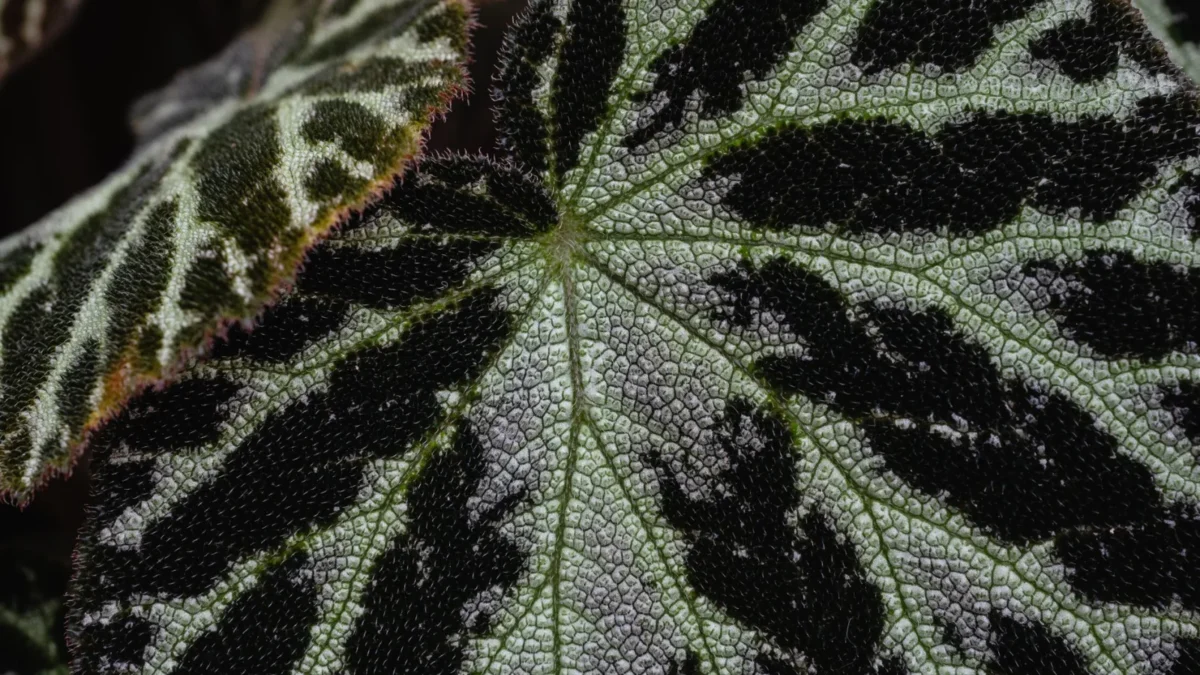
Quick answer: Your rex begonia is dropping leaves most likely due to sudden temperature changes, inconsistent watering, or low humidity. Each cause has a clear fix, and your plant usually recovers well if you catch it early.
| Botanical name | Begonia rex |
|---|---|
| Light | Bright indirect light; 1,500-2,200 foot-candles; avoid direct hot sun |
| Watering | Water when top 2-3 cm soil feels dry; every 5-8 days spring/summer, 10-14 days winter |
| Humidity | 50-70% relative humidity; avoid misting leaves directly |
| Temperature | 60-75°F; day ~70°F, night ~60°F; avoid sudden fluctuations |
| Soil | Porous planting mix in shallow pot; avoid heavy dense soil |
| Feeding | Every two weeks May-September with high potassium plant food |
| Size | 1.00-1.50 feet height and spread |
| Difficulty | demanding |
| Cats | ⚠️ toxic — Soluble calcium oxalates cause vomiting and salivation |
| Dogs | ⚠️ toxic — Soluble calcium oxalates cause vomiting and salivation |
| What you see | Likely cause | What to do |
|---|---|---|
| Sudden leaf drop after moving plant or near vents | Temperature stress or drafts | Move away from AC vents, heaters, and drafty windows; keep temperature steady between 60–75°F |
| Brown, dried leaves that fall | Low humidity or dry soil | Increase humidity with a humidity tray; check soil moisture before watering |
| Leaves turning brown then dropping | Overwatering; soggy soil | Let soil dry slightly between waters; water when top 2–3 cm feels dry |
| Drooping, yellowing leaves | Waterlogged roots | Improve drainage; use porous potting mix; empty saucer after watering |
| A few older leaves drop in winter | Natural dormancy | Reduce watering in winter (every 10–14 days); check rhizome is still firm |
Temperature stress and drafts
Rex begonias are highly sensitive to sudden temperature swings. If your plant sits near an air-conditioning vent, forced-air heater, or drafty window, the rapid temperature change combined with drying air triggers leaf drop almost immediately. Avoid placing your begonia directly in these paths.
Keep your plant between 60°F and 75°F, ideally around 70°F during the day and 60°F at night. Even one cold night near a winter window can cause dramatic leaf loss, though the rhizome often survives and recovery is possible with time.
Watering problems
Rex begonias have delicate, fine root systems that demand balance. Too much water leads to root rot and brown, drooping leaves; too little causes crispy edges and leaf drop.
Water when the top 2–3 cm of soil feels dry—about every 5–8 days in spring and summer, and 10–14 days in winter. Use room-temperature water rather than cold tap water, as temperature shock can trigger leaf drop. Water the soil directly with a narrow-spouted can, away from the leaves and rhizome.
After watering, wait 15 minutes, then empty any water sitting in the saucer. Standing water causes root rot. Bottom watering works beautifully for rex begonias and prevents crown rot.
Humidity and air quality
Low humidity is one of the strongest causes of problems in rex begonias. Your plant needs 50–70% relative humidity indoors. Winter heating often drops rooms to 25–35%, which crisps leaf edges and causes leaves to drop within weeks.
Create a humidity tray by setting your pot on pebbles in a shallow dish of water (don’t let the pot sit in water). This raises moisture around the plant without wetting the leaves. Do not mist the leaves directly. Misting often causes leaf spots and fungal issues rather than solving humidity problems.
If your plant looks like it is slowing down in winter, simply reduce your watering. This is normal dormancy; as long as the rhizome stays firm, your begonia is fine.
Preventing leaf drop
Keep conditions stable: steady temperature away from drafts, consistent moisture without waterlogging, and high humidity without wet leaves. Check your soil before watering every time rather than following a schedule. Avoid direct, hot sun, which stresses leaves and mimics dryness.
FAQ
Can a rex begonia recover after dropping all its leaves?
Yes, as long as the rhizome (the bulbous underground part) is still firm, the plant usually survives. Recovery takes months, especially if cold damage was the cause, but new growth will return once conditions stabilize.
Is it normal for rex begonias to drop leaves in winter?
Yes, it’s completely normal. Many rex begonias enter a natural dormancy as days shorten and temperatures drop, losing older leaves in the process. Reduce watering during this period and wait for spring growth to resume.
Should I mist my rex begonia’s leaves to prevent dryness?
No—do not mist the leaves directly. Wet foliage leads to leaf spots and fungal problems. Use a humidity tray or place your pot near other plants instead to raise ambient moisture safely.
Read the full guide: Rex Begonia Care: The Complete Guide
More about Rex Begonia
The same problem in other plants
- Why Are My String of Turtles Leaves Falling Off?
- Why Are My Begonia Maculata Leaves Falling Off?
- Why Is My Ti Plant Losing Leaves?
- Why Is My Aluminum Plant Losing Leaves? Stop the Leaf Drop Now
Sources
- Rex Begonia Care Indoors: Tips for Stunning Foliage
- How to Care for Begonia Rex Plant: Complete Growing Guide
- Begonia rex-cultorum – Plant Finder
Photo: Marina Leonova / Pexels, Pexels