Bunny Ears Cactus Opuntia microdasys
How Often to Water Bunny Ears Cactus: A Season-by-Season Guide
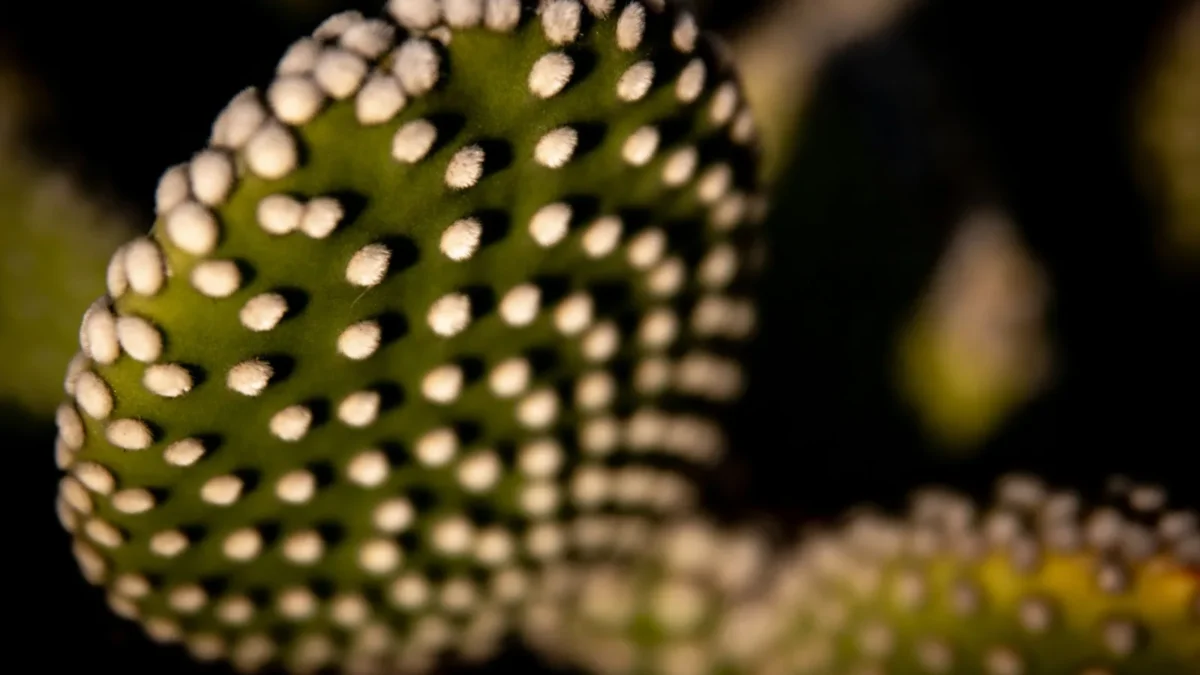
Quick answer: Water your bunny ears cactus every 1–2 weeks during spring and summer, allowing the soil to dry completely between waterings. In winter, reduce watering dramatically to once every 4–6 weeks. Always check the top inch of soil first; if it’s dry, water. If it’s still moist, wait a few more days.
| Botanical name | Opuntia microdasys |
|---|---|
| Light | Full light; minimum 6 hours direct sunlight daily |
| Watering | Water every 1-2 weeks spring/summer; allow soil to dry completely between waterings; reduce to once every 4-6 weeks in w |
| Humidity | Below 40%; prefers dry air |
| Temperature | 70-100°F (21-38°C) growing season; 50-65°F (10-18°C) winter; avoid below 40°F (4°C) |
| Soil | Sharply-draining cactus compost; loam-based with sharp sand or perlite/pumice blend |
| Feeding | Balanced liquid fertilizer 3-4 times during spring, summer, early autumn; withhold in winter |
| Size | 40-60 cm tall; occasionally up to 2-3 feet tall, 4-6 feet wide |
| Difficulty | easy |
| Cats | ✓ non-toxic |
| Dogs | ✓ non-toxic |
Spring and Summer Watering Schedule
During the active growing season, your bunny ears cactus needs regular but not frequent watering. Water every 1–2 weeks, depending on your home’s humidity and temperature. The key is to allow the soil to dry out completely between waterings—this is non-negotiable.
Instead of watering on a fixed calendar date, check the soil first. Stick your finger into the top inch; if it’s dry to the touch, water thoroughly until it drains from the bottom. If the soil still feels moist, skip watering and check again in a few days.
Water the soil directly at the base of the plant and avoid splashing water on the pads themselves, as sitting moisture can cause fungal problems. Think of it as mimicking the desert—occasional heavy rain, not constant drizzle.
Winter Dormancy: Minimal Water
When temperatures drop in late fall, your bunny ears cactus enters dormancy and its water needs plummet. Reduce watering to once every 4–6 weeks, and withhold water and fertilizer entirely during the coldest months. Your plant stores water in its pads and can easily survive on very little during this rest period.
Why Soil Dryness Matters
Overwatering is the fastest way to kill a bunny ears cactus. When roots stay wet, they lose access to oxygen, leading to root rot. Early signs include pads yellowing from the base, lower pads turning mushy, and soil smelling sour. If this happens, stop watering immediately, let the soil dry completely, and if the damage is severe, remove the plant from its pot, trim away black mushy roots, and repot in fresh, well-draining cactus mix.
Underwatering is less common but also damaging. If pads look shriveled and the soil is bone dry, give the plant a thorough soak. Most of the time, though, err on the side of dryness—the pads are designed to store water.
Soil and Pot Setup for Better Drainage
Your watering success depends partly on soil. Use sharply-draining, peat-free, loam-based cactus compost, or blend 1 part potting soil, 1 part coarse sand, and 1 part perlite or pumice. Dense soil holds moisture too long and invites rot. Ensure your pot has drainage holes and use it consistently—dense soil stays wet too long.
FAQ
Can I water on a schedule, or do I have to check the soil?
Always check the soil first. Watering by calendar alone causes overwatering because humidity, temperature, and pot size all affect how fast soil dries. Let the soil dryness guide you, not the date.
What if I forget to water during growing season?
Bunny ears cactus is drought-tolerant and its pads store water, so occasional neglect won’t kill it. If you forget for a few weeks in spring or summer, the plant will survive far better than if you water too often.
Should I adjust watering if my home is very dry?
Yes. If your home has low humidity (below 40%), water may dry faster. You might water every 7–10 days instead of 1–2 weeks, but always check soil first. If your home is humid or cool, watering may be less frequent.
Read the full guide: Bunny Ears Cactus Care: The Complete Guide
More about Bunny Ears Cactus
The same problem in other plants
- How Often and How Much to Water Purple Shamrock
- How Often Should You Water Watermelon Peperomia?
- How Often Should You Water Burro's Tail?
- How Often Should You Water Tradescantia Zebrina?
Sources
- 🐰 Bunny Ears Cactus Root Rot Solutions
- Opuntia microdasys: The Golden-Haired Beauty of the Cactus World
- An Essential Guide to Bunny Ear Cactus
Photo: Magda Ehlers / Pexels, Pexels