Norfolk Island Pine Araucaria heterophylla
Is Norfolk Island Pine Toxic to Cats and Dogs?
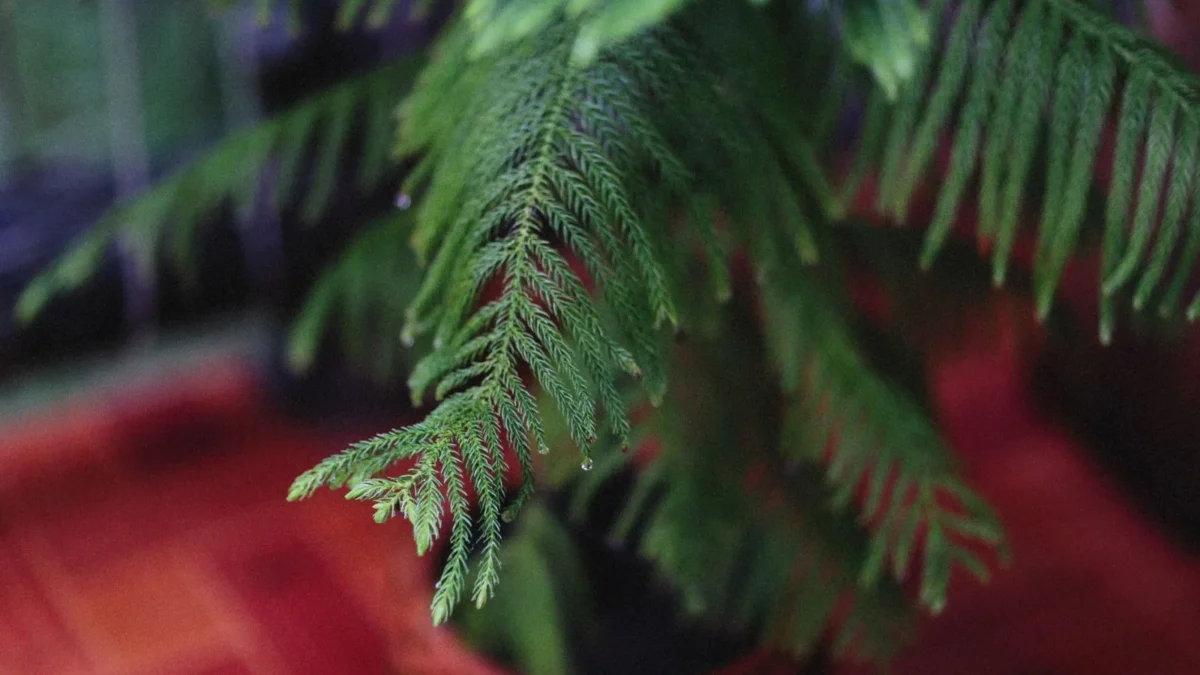
Quick answer: Norfolk Island Pine is non-toxic to both cats and dogs, so it’s safe to keep in homes with pets. However, eating any plant material can cause vomiting and gastrointestinal upset in both species.
Norfolk Island Pine at a glance
| Botanical name | Araucaria heterophylla |
|---|---|
| Light | Bright indirect light; avoid direct afternoon sun which causes scorching |
| Watering | Water when top 1 inch of soil feels dry; every 5-7 days spring/summer, 7-10 days fall/winter |
| Humidity | 50-70% humidity; low humidity causes browning tips |
| Temperature | Daytime 65-75°F; nighttime 55-65°F; keep above 50°F |
| Soil | Fertile, porous, sandy, peaty, slightly acidic, well-drained soil |
| Feeding | Weekly or biweekly dilute liquid fertilizer spring through fall |
| Size | Slow-growing; reaches 6+ feet tall indoors over years |
| Difficulty | easy |
| Cats | ✓ non-toxic |
| Dogs | ✓ non-toxic |
Is Norfolk Island Pine safe for cats and dogs?
Yes—Norfolk Island Pine is non-toxic to cats and dogs, which makes it a good choice if you’re looking for a tall, attractive houseplant that won’t poison your pets if they nibble on it. Many common houseplants pose real toxicity risks, so it’s reassuring to have one that doesn’t.
That said, non-toxic doesn’t mean risk-free. Even though the plant itself contains no harmful toxins, the consumption of any plant material may cause vomiting and gastrointestinal upset for dogs and cats. This is a normal digestive reaction to eating something their stomachs aren’t designed to process, rather than poisoning, but it’s still uncomfortable for your pet and something to prevent if you can.
What to do if your pet eats Norfolk Island Pine
If your cat or dog chews on or eats part of your Norfolk Island Pine, there’s no need to panic about toxicity. Simply monitor them for signs of mild digestive upset over the next few hours, such as vomiting or diarrhea. Most pets recover without intervention.
If your pet shows severe or prolonged symptoms, experiences difficulty breathing, or has any reaction that concerns you, contact your vet. They can assess whether your pet needs supportive care.
To reduce the risk, place your plant out of reach on a high shelf or in a room your pet doesn’t frequent. Norfolk Island Pines can reach 6 feet tall or more indoors over time, so a tall plant stand in a less-accessible spot works well for homes with curious pets.
Read the full guide: Norfolk Island Pine Care: The Complete Guide
More about Norfolk Island Pine
The same problem in other plants
- Is Venus Flytrap Toxic to Cats and Dogs?
- Is Satin Pothos Toxic to Cats, Dogs, and Humans?
- Is Rex Begonia Toxic to Cats and Dogs?
- Is Purple Shamrock Toxic to Cats and Dogs?
Sources
- Toxic and Non-toxic Plants: Australian Pine
- Toxic and Non-Toxic Plants
- Enjoy Norfolk Island Pine Indoors
Photo: Alexey Demidov / Pexels, Pexels