Purple Shamrock Oxalis triangularis
Is Purple Shamrock Toxic to Cats and Dogs?
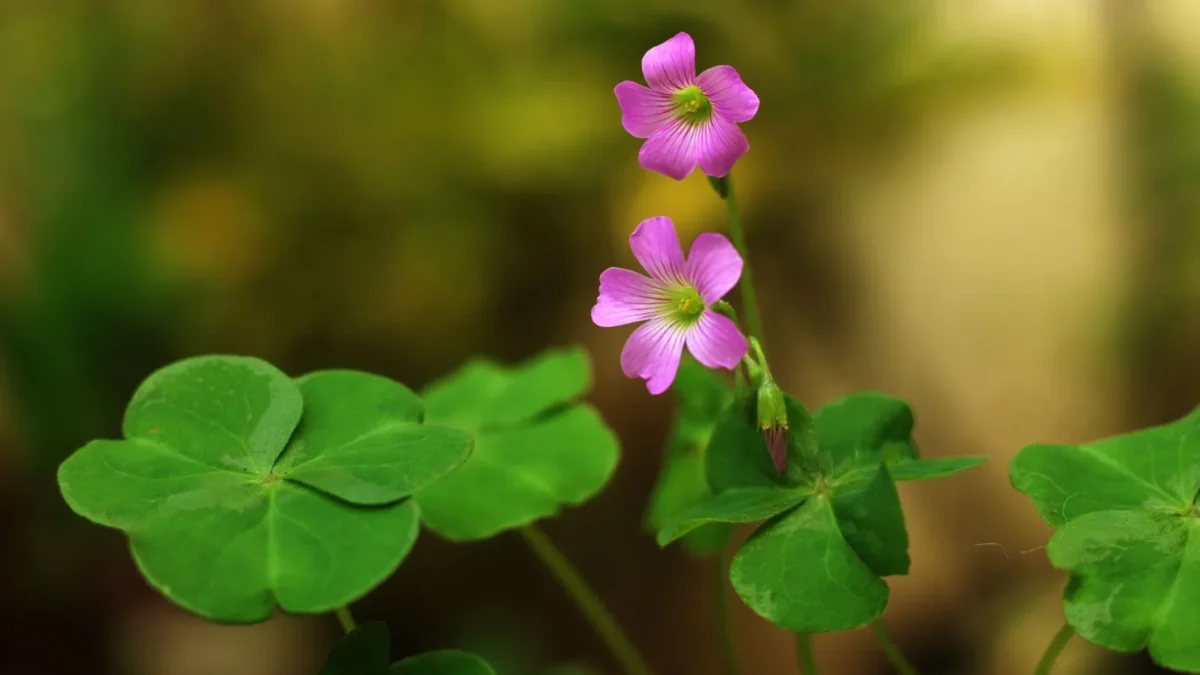
Quick answer: Yes, purple shamrock is toxic to cats and dogs. All parts of the plant contain soluble calcium oxalates that can cause vomiting, excessive drooling, and in cases of large consumption, potential kidney effects. A curious pet that nibbles a leaf usually gets away with mouth irritation and an upset stomach, but you should keep the plant out of reach and contact your vet if your pet eats more than a leaf or two.
| Botanical name | Oxalis triangularis |
|---|---|
| Light | Bright indirect light; avoid direct sun which causes leaf burn; low light causes leggy growth |
| Watering | Spring-summer: water when top inch of soil is dry. Fall-winter: water every 2-3 weeks. Never overwater; drainage essenti |
| Humidity | Average household humidity; 40-60% preferred |
| Temperature | 60-75°F (15-24°C); avoid temps below 50°F or above 85°F |
| Soil | Well-draining sandy or humus-rich soil; equal parts loam, leaf mould, grit; perlite amendment recommended |
| Feeding | Spring-summer only: balanced fertilizer every 2-3 weeks; do not fertilize during dormancy |
| Size | 1.5 ft tall with 2 ft spread at maturity |
| Difficulty | easy |
Is purple shamrock toxic to cats?
Yes, the ASPCA lists purple shamrock as toxic to cats because of its oxalic acid content. Ingestion can cause vomiting, excessive drooling, and in cases of large consumption, potential kidney effects. The practical risk is reduced because the leaves taste very sour and bitter, which deters most cats after an initial taste.
Is purple shamrock toxic to dogs?
Yes, purple shamrock is also toxic to dogs. The plant contains soluble calcium oxalates that can cause the same symptoms as in cats: vomiting, excessive drooling, and in larger ingestions (especially of the bulbs), potential kidney damage. Dogs are at slightly higher risk than cats because they may consume larger amounts—a cat that takes a single bite is in far less danger than a dog that works through a whole potful.
What to do if your pet eats purple shamrock
If your pet eats more than a leaf or two, contact your veterinarian or the ASPCA Animal Poison Control Center at (888) 426-4435 right away. Watch for symptoms including vomiting, excessive drooling, and lethargy.
The safest approach is prevention: keep pots off floor-level spots where curious pets can reach them. Place your purple shamrock on a high shelf or in a room your pet does not access regularly.
FAQ
What if my pet just licked the leaves?
A single lick or nibble typically causes only mouth irritation and mild drooling. Monitor your pet for a few hours, but this usually requires no treatment.
Are other parts of the plant more dangerous?
Yes, the bulbs (corms) are more concentrated in oxalates than the leaves. Large ingestion of the bulbs poses the greatest risk of kidney damage, so be especially careful when repotting or dividing the plant.
Read the full guide: Purple Shamrock Care: The Complete Guide
More about Purple Shamrock
The same problem in other plants
- Is Satin Pothos Toxic to Cats, Dogs, and Humans?
- Is Rex Begonia Toxic to Cats and Dogs?
- Is Norfolk Island Pine Toxic to Cats and Dogs?
- Is Burro's Tail Toxic to Cats and Dogs?
Sources
- Purple Shamrock Care Guide – Light, Watering & Dormancy Explained
- Purple Shamrock Care: Light, Water, and Dormancy
- Purple shamrock care: light, water, dormancy, toxicity
Photo: Divya Kanwar / Pexels, Pexels